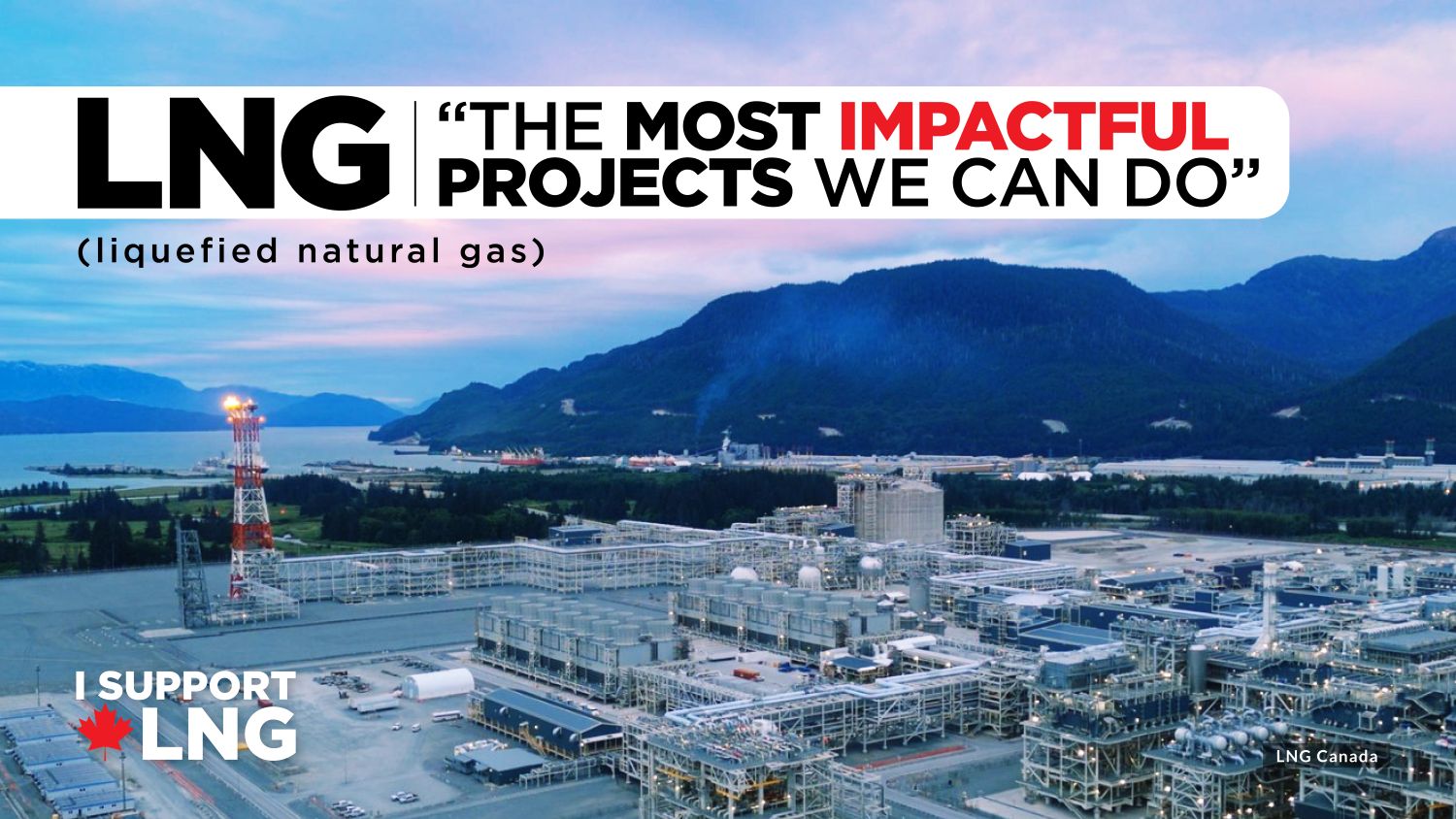
LNG Projects the Most Economically

LNG Projects the Most Economically "Impactful" Canada Can Do, Says Hodgson

Tim Hodgson says LNG projects the most economically impactful we can do-01

Key Takeaways

  • Scaling Canadian LNG production to 100 million tonnes per annum would make Canada one of the largest LNG suppliers in the world, creating enormous economic opportunities
  • LNG projects generate significant royalty and tax revenues, and are among the most economically impactful projects for provincial and federal budgets of any industry in Canada
  • Expanding LNG export capacity will generate billions in public revenues and support high-paying jobs, providing the economic foundation needed to fund hospitals, schools and public services.
  • Canada holds a strategic delivery advantage over global competitors – shorter shipping routes to Asia, a stable rule-of-law environment, and a reputation as a reliable trading partner make Canadian LNG the preferred choice for allied nations.
  • Global LNG demand is projected to grow by as much as 60% by 2040; Canada's vast natural gas reserves can supplement energy-hungry economies worldwide for decades to come.
LNG development is a concrete way to create good jobs, diversify trade, maximize the value of our resources, and make Canada stronger. But don’t take our word for it.

Minister Tim Hodgson went to bat for LNG development during his testimony to the Standing Committee of Natural Resources earlier this month, where he laid out both a strong economic and geopolitical case for advancing Canadian-made LNG.

“If we deliver as we hope, proponents will ultimately increase our production to as much as 100 million tonnes per annum. That would make us one of the largest suppliers of LNG in the world,” said the Minister.

Becoming a top global LNG supplier would open new long-term export markets, attract major capital investment, and create much-needed jobs for Canadian and Indigenous communities. The same fiscal levers that have long made energy vital to Canada’s public finances – royalties, corporate taxes, and income taxes from high-wage jobs — would flow from major LNG projects and help pay for the services Canadians rely on.

LNG Projects are Major Contributors to Tax Revenues

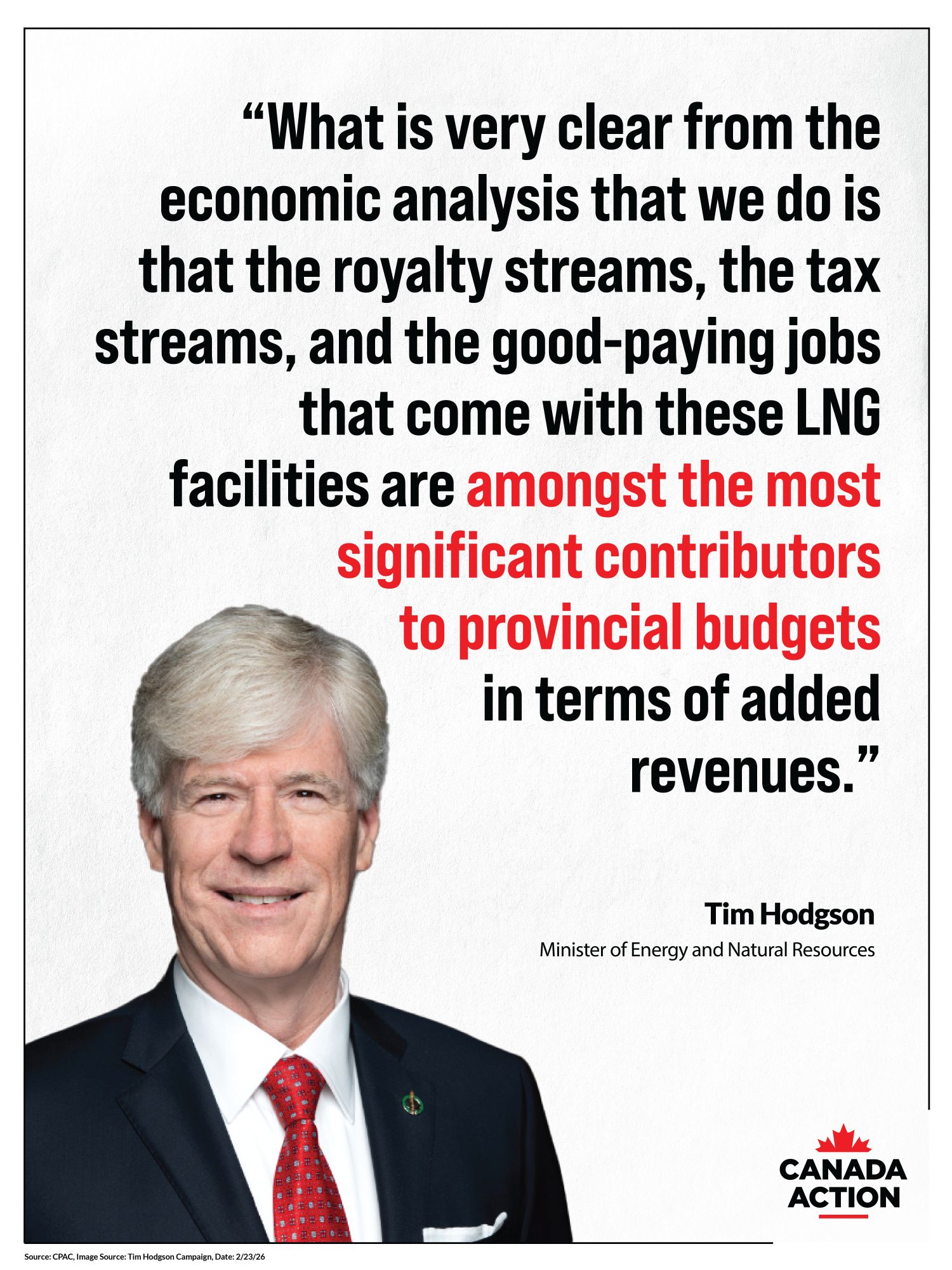
LNG projects are most economically impactful projects Canada can do says Minister Hodgson

“What is very clear from the economic analysis that we do is that the royalty streams, the tax streams, and the good-paying jobs that come with these LNG facilities are amongst the most significant contributors to provincial budgets in terms of added revenues. And they are major, major contributors to tax bases,” Hodgson continued.

“And so, from a Canadian perspective, just from an economic perspective, they're amongst the most impactful projects we can do.”

A 2020 report by the Conference Board of Canada estimated that a healthy LNG sector on the West Coast could be an economic godsend. Based on a 56 million tonne per annum (mtpa) scenario, capital investment could average over $11 billion annually between 2020 and 2064, totalling more than $500 billion over the period. For Canada as a whole, it could mean an estimated 96,550 more jobs and over $6 billion in wages a year. Today, NRC says there’s 50.3 mtpa of export capacity underway in some stage of the process [1].

Canada’s Allies Want Canadian-Made LNG

“From a geopolitical perspective, what I hear everywhere I go, whether it's Germany, whether it's the UK, whether it's China, whether it's India, whether it's my colleagues who were recently in Japan or Korea, what we hear is, all of those countries are interested in energy transition,” Hodgson continued.

“They view LNG as a really important transition fuel. It gives them a much cleaner alternative to what most of them are doing today, which is burning coal. And what we hear over and over again is, with the dramatic increase in electricity around the AI phenomenon, our allies expect to be using that transition fuel, expect to use a lot more of it for a longer period of time.”

The latest industry outlook projects global LNG demand to grow by up to 60% by 2040, largely driven by economic growth in Asia. Canada, with its short shipping times of just 10 to 11 days versus the 20+ day route through the Panama Canal from the U.S. Gulf Coast [2], is ideally situated to supply emerging market economies across the Pacific with the natural gas they need.

“And when they have a choice of where to get that LNG, Canada stands out as a reliable supplier, a supplier that doesn't use energy for coercion, and a country that's committed to doing, to, building its LNG exports in an environmentally responsible way with the lowest emissions LNG in the world.”

“That's what our allies want. If they have a choice between ours and some of the other players, they would like to choose ours.”

The World Needs More Canadian LNG

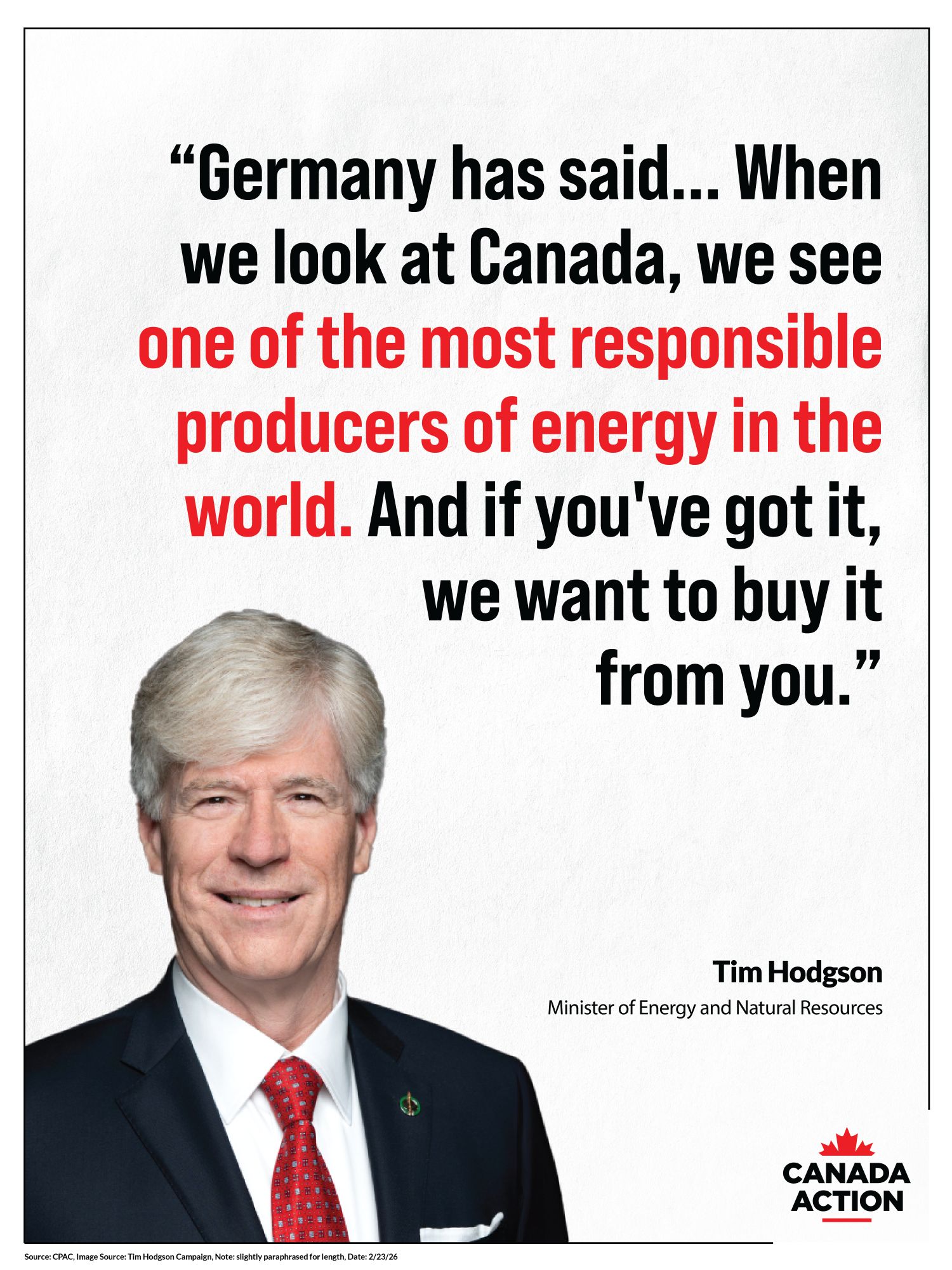
Germany says it wants Canadian energy as we are one of the most preferred suppliers in the world, according to Minister Hodgson

It’s great to hear the Minister stand up for Canadian LNG and bring essential truths about the sector into the limelight.

Canada stands at an economic crossroads. Tim Hodgson’s testimony made the case that LNG projects — delivered at scale and supported by sensible public policy — are among the most economically impactful undertakings Canada can pursue.

For policymakers, the question is not whether these major projects matter, but whether Canada will seize the opportunity to turn our abundant natural gas resources into enduring prosperity – diversifying our export markets and making our economy more resilient to global trade disputes in the process.

By championing the development of our natural resources, we are championing the future prosperity of every Canadian.

It’s time for action. The time to build is now.

SOURCES:

1 - https://natural-resources.canada.ca/energy-sources/fossil-fuels/canadian-liquified-natural-gas-projects

2 – https://rbnenergy.com/daily-posts/analyst-insight/school-energy-lng-canada-has-edge-deliveries-asia-us-exporters-retain-destination