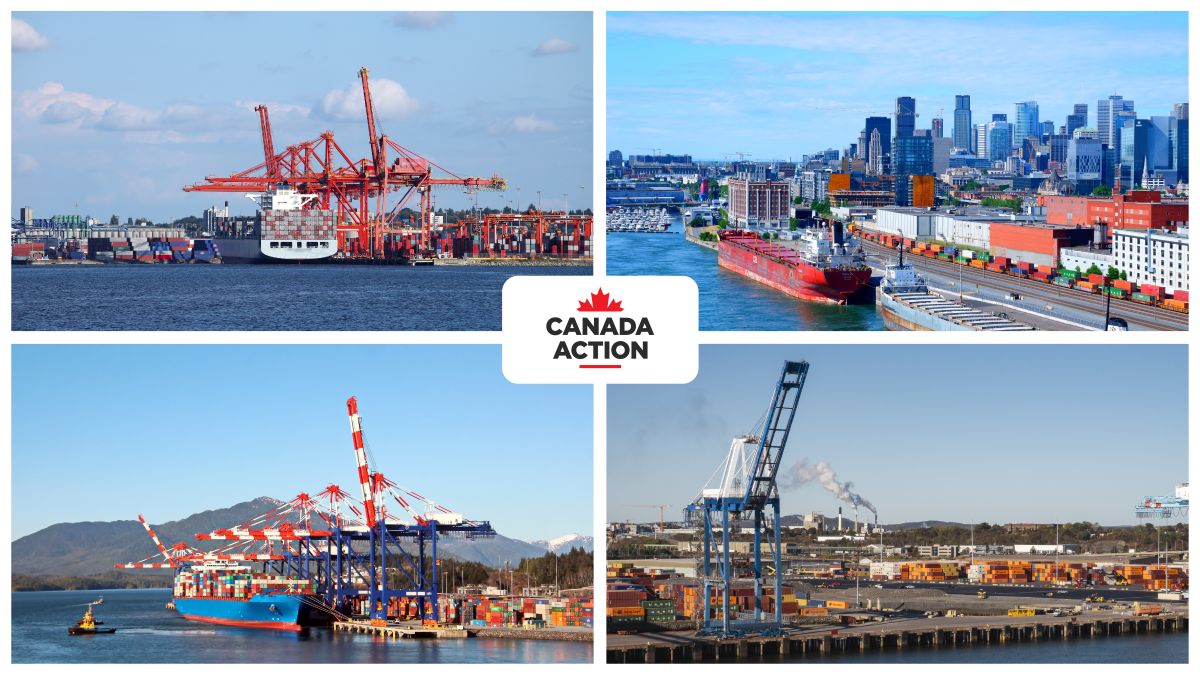
Canada's Largest Ports: Top 5 Busiest Canadian Seaports

Canada's Largest Ports: Top 5 Busiest Canadian Seaports

Canada's largest seaports - Top 5 busiest ports in Canada

With coastlines on both the Pacific and Atlantic Oceans, Canadians are incredibly blessed to have access to tidewater markets globally. Canada's seaports, big and small, play an instrumental role in exporting Canadian-made products to the world, while importing an immense volume of goods that families, businesses, and industries rely on. 

Enabling trade worth hundreds of billions of dollars every year, Canada’s largest ports are absolutely critical to supporting economic opportunity and prosperity for Canadian families across the country. 
Canadian Seaports & International Trade

Canada’s coastal seaports provide farmers in Saskatchewan, miners in Ontario, foresters in Quebec, and others across the nation the ability to sell their products to global buyers. While most goods produced across Canada have traditionally flowed southwards to the United States, a good chunk (but not enough) of these products make their way to the east and west coasts for export to consumers abroad.

In 2023, for example, approximately 18% of Canada’s exports were shipped abroad via tidewater, while 24% of imports were received from international destinations through Canadian seaports [1]. These figures reflect the significant and interconnected trading relationship between Canada and the U.S., where most domestic goods produced are shipped south to consumers in the world’s largest economy.

Canada’s Largest Ports: Quick Facts

Port of Vancouver

Port of Vancouver

#1 - In 2023, Canada’s Port Authorities oversaw approximately 351 million tonnes of cargo, an increase of 3.4% year over year – and a weight equivalent of more than 50.1 million large African elephants [1][3]

#2 - Canada’s ports do trade with more than 170 nations across the world annually [4]

#3 - Transport Canada (TC) oversees 17 ports that are independently managed by Canada Port Authorities, as well as 34 port facilities that are owned and operated by TC [1]

#4 - At the end of 2023, Canada was home to 560 port facilities, 845 fishing harbours, and 106 recreational harbours [1]

#5 - Canada’s Port Authorities (CPAs) directly and indirectly support more than 213,000 jobs nationwide

#6 - CPAs generate $53 billion in economic activity, $25 billion in gross domestic product (GDP), and $2.1 billion in taxes every year [4]

#7 - The Port of Vancouver-Fraser accounted for 42% of total cargo tonnage handled by all Canadian ports in 2022 [2]

#8 - As of 2023, a total of 68 registered ferries operated across Canada, supporting domestic travel and cargo needs [1]

#9 - Every year, Canadian Ferry Association members, which represent all major operators in Canada, transport more than 60 million passengers and over 22 million vehicles [1]

#10 - CPAs welcome over 1.3 million cruise ship passengers annually, generating more than $4 billion for the Canadian economy [4]

Top 5 Major Seaports in Canada

Home to several ports, Canada relies heavily on the efficacy of its coastal facilities to import goods that all Canadians rely on, while exporting domestic energy, forestry, mining, agriculture, and a variety of other products to the world.

Below we take a look at the largest seaports in Canada, ranked by economic impact and total cargo volume handled (in tonnes and volume of containers), and how they play an instrumental role in domestic and international supply chains.

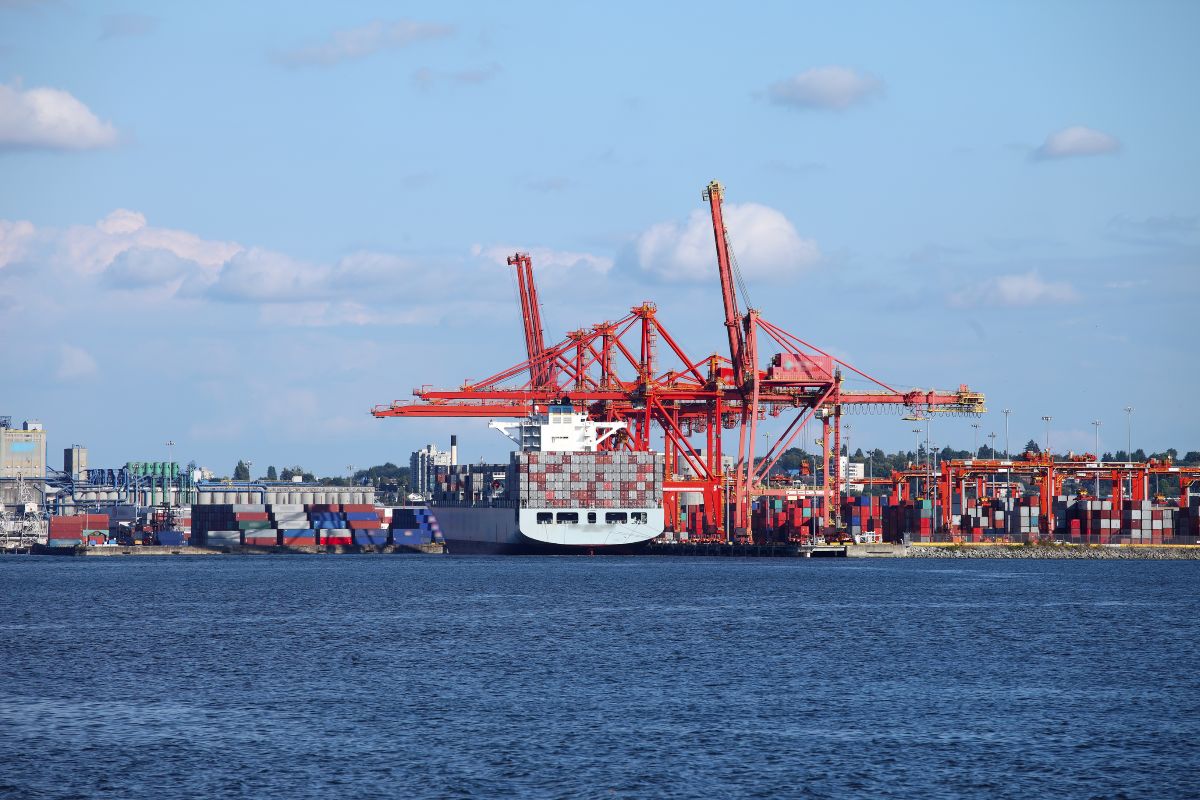
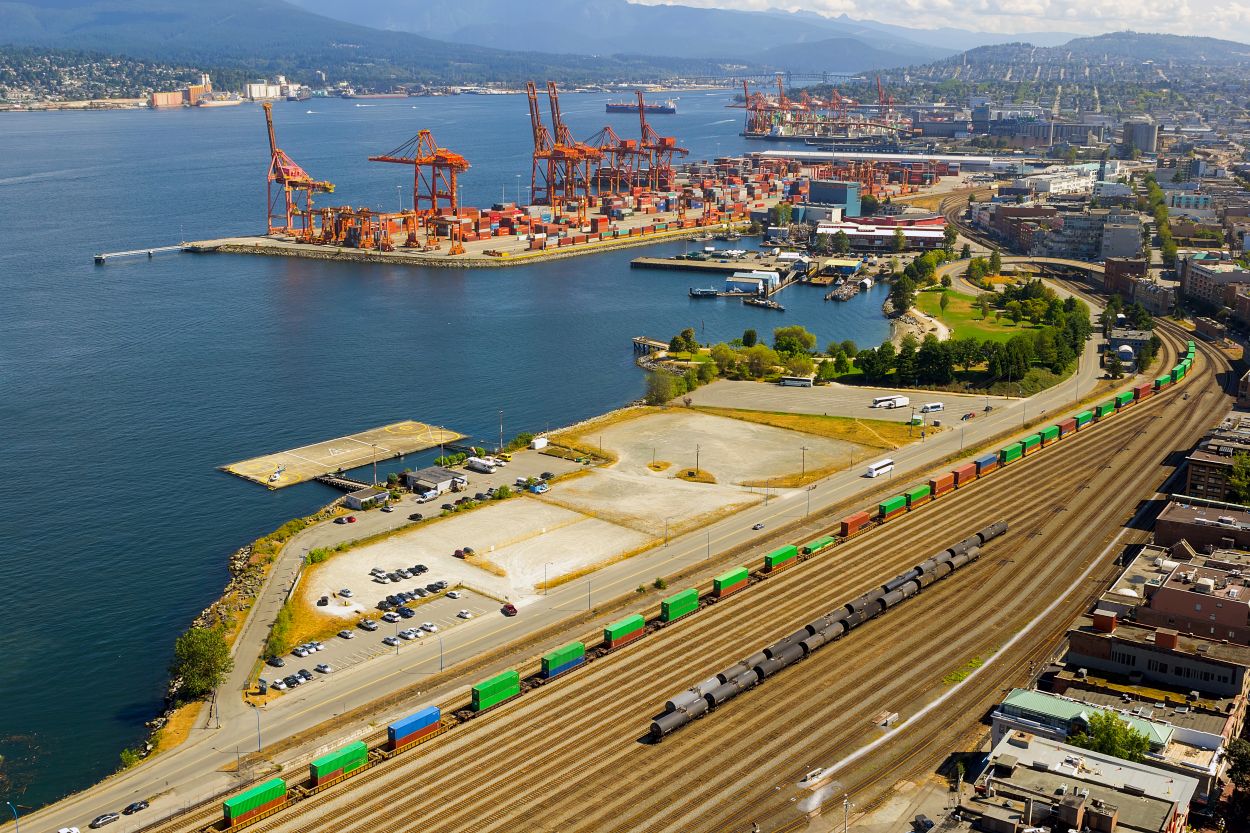
#1 - Port of Vancouver

Port of Vancouver - Canada's Largest Port

CREDIT: ID 21139764 | Port Of © Gino Rigucci | Dreamstime.com

  • Province: British Columbia
  • Cargo Volume [1]: 5 million tonnes
  • Containers Handled [10]: 13 million
  • Facilities [5]: 29 terminals

Gateway to Asia – The Port of Vancouver is Canada's largest port, handling 42% of all cargo tonnage for Canadian Port Authorities (CPAs) in 2022. It is a vital link in Canada's supply chain, connecting the country's industry to over 170 nations and enabling the export of domestic energy, forestry, mining, and agricultural products abroad. The port's 29 terminals handle hundreds of millions of tonnes of cargo every year, making it a critical hub for both imports and exports that support jobs and prosperity in Canada.

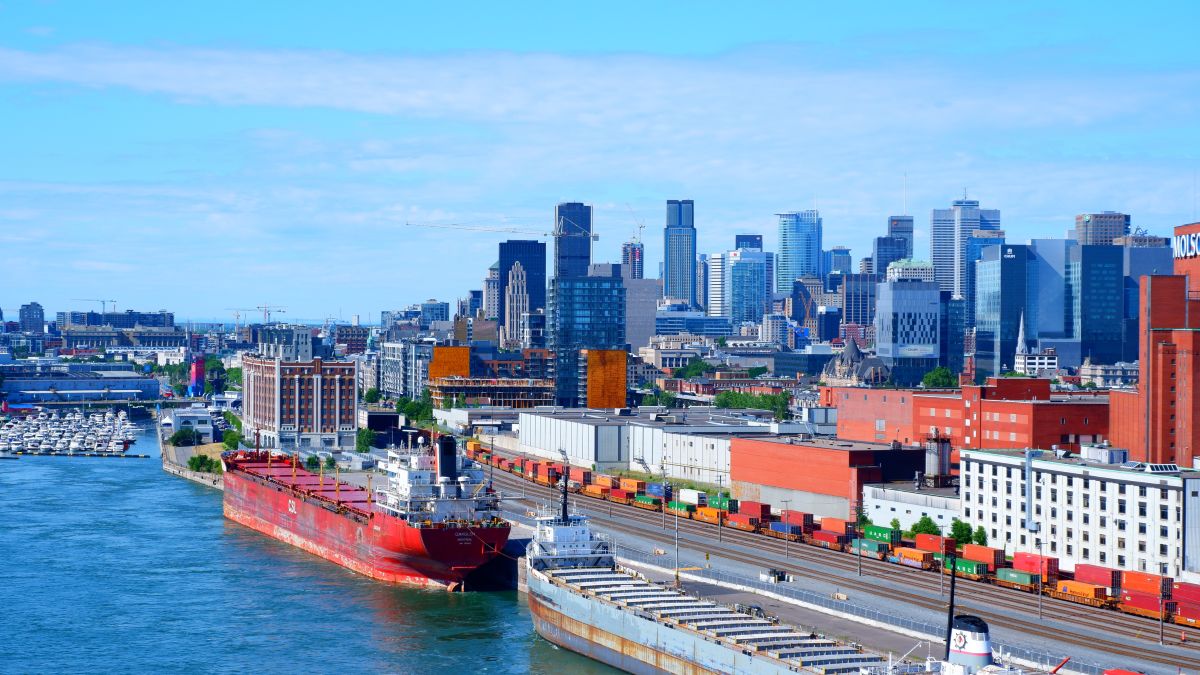
#2 - Port of Montreal

Port of Montreal - Canada's second largest port

CREDIT: ID 154306428 | Port Of Montreal © Angel Alvarez Perez | Dreamstime.com

  • Province: Quebec
  • Cargo Volume [6]: 4 million tonnes
  • Containers Handled [10]: 54 million
  • Facilities [6]: 23 terminals

Gateway to the Atlantic – The Port of Montreal is Canada's second-largest port, handling a significant share of cargo tonnage for the CPAs and serving as a key entry point for goods along the East Coast. It plays a crucial role in Canada's trade network and facilitating the import and export of manufactured goods, machinery, and consumer products, connecting producers and consumers to over 140 countries abroad. The port has a strong focus on transatlantic trade routes, particularly with Europe and the eastern United States. It manages millions of tonnes of cargo annually through its extensive network of terminals, acting as a vital hub that drives economic growth in Quebec and beyond.

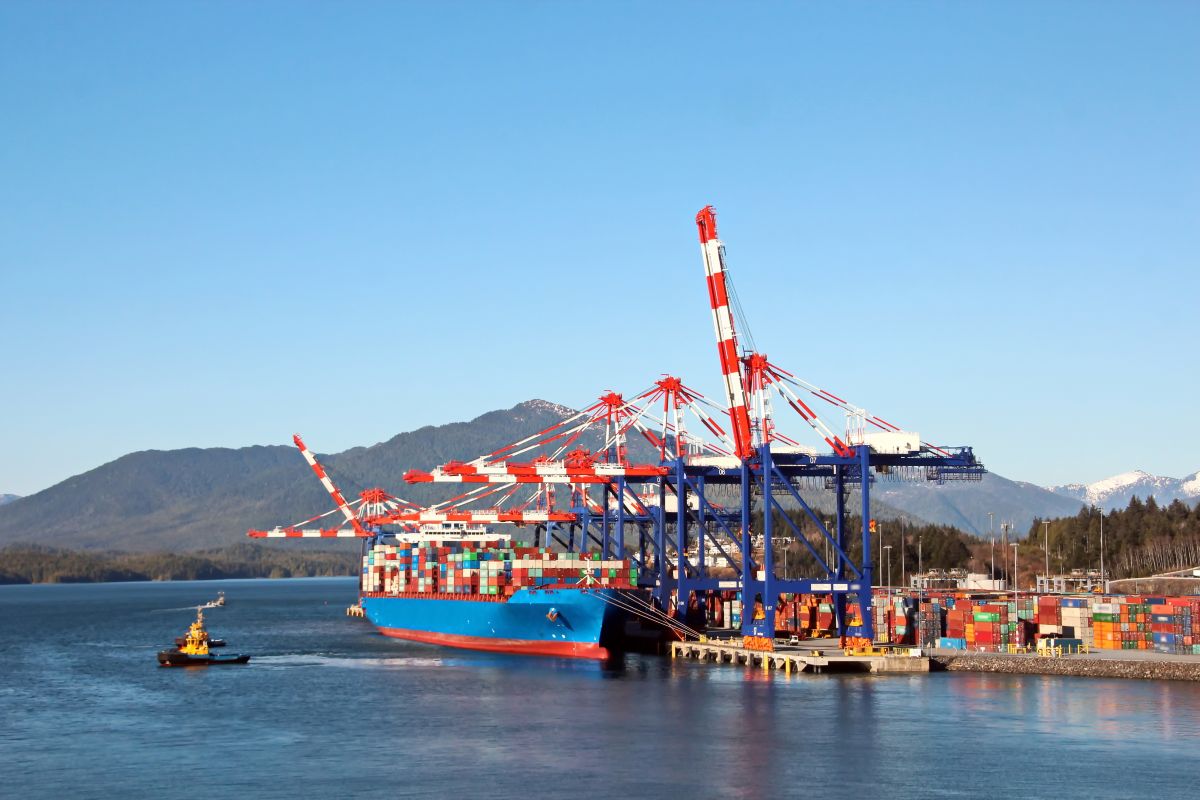
#3 - Port of Prince Rupert

Port of Prince Rupert - Canada's third largest port

CREDIT: ID 157973025 | Port © Ivan Kuzkin | Dreamstime.com

  • Province: British Columbia
  • Cargo Volume [7]: 6 million tonnes
  • Containers Handled [10]: 700,000
  • Facilities [7]: 6 terminals

Shortest Shipping to Asia – The Port of Prince Rupert is one of Canada's most strategic deep-water ports, optimized for rapid rail connections between North America and Asian markets. Its naturally deep harbour, minimal congestion, and proximity to major trans-Pacific shipping lanes enable the efficient export of bulk commodities such as grain, wheat, canola, propane, biofuels, logs, lumber, pulp, and coal, while also supporting imports essential to Canadian industries. Prince Rupert’s unique location on British Columbia’s northern coast makes it a critical economic driver for Canada's remote communities while strengthening trade relationships with Asian economies and presenting immense opportunities to expand natural resource exports across the developing world.

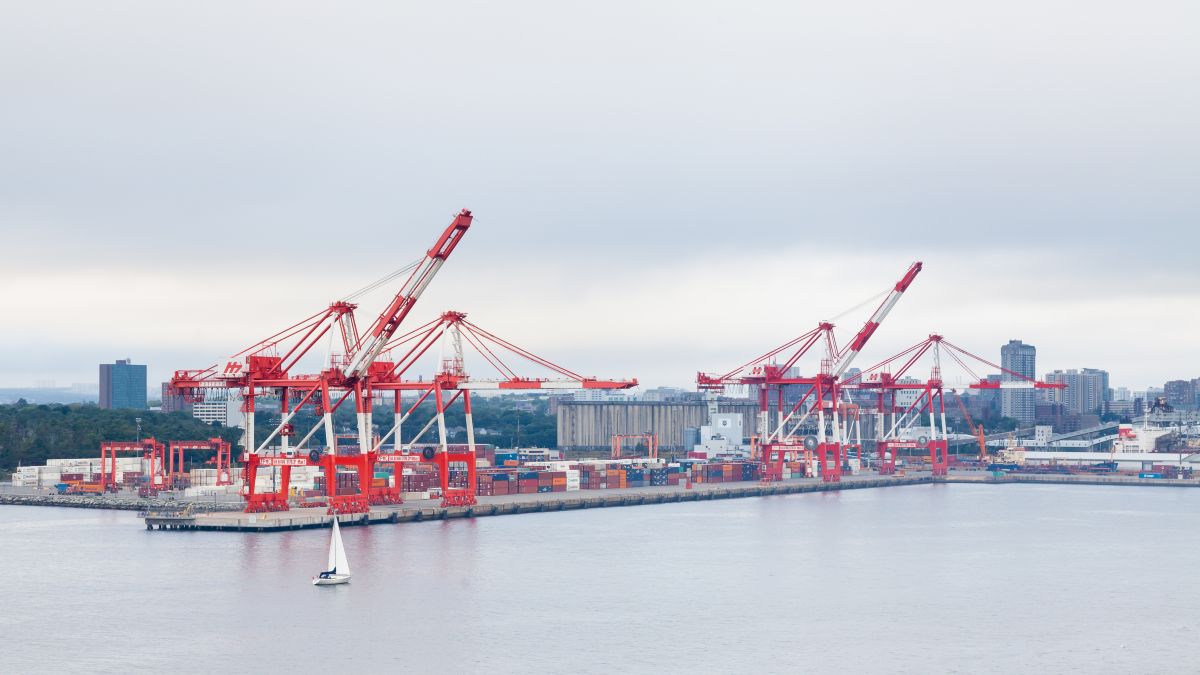
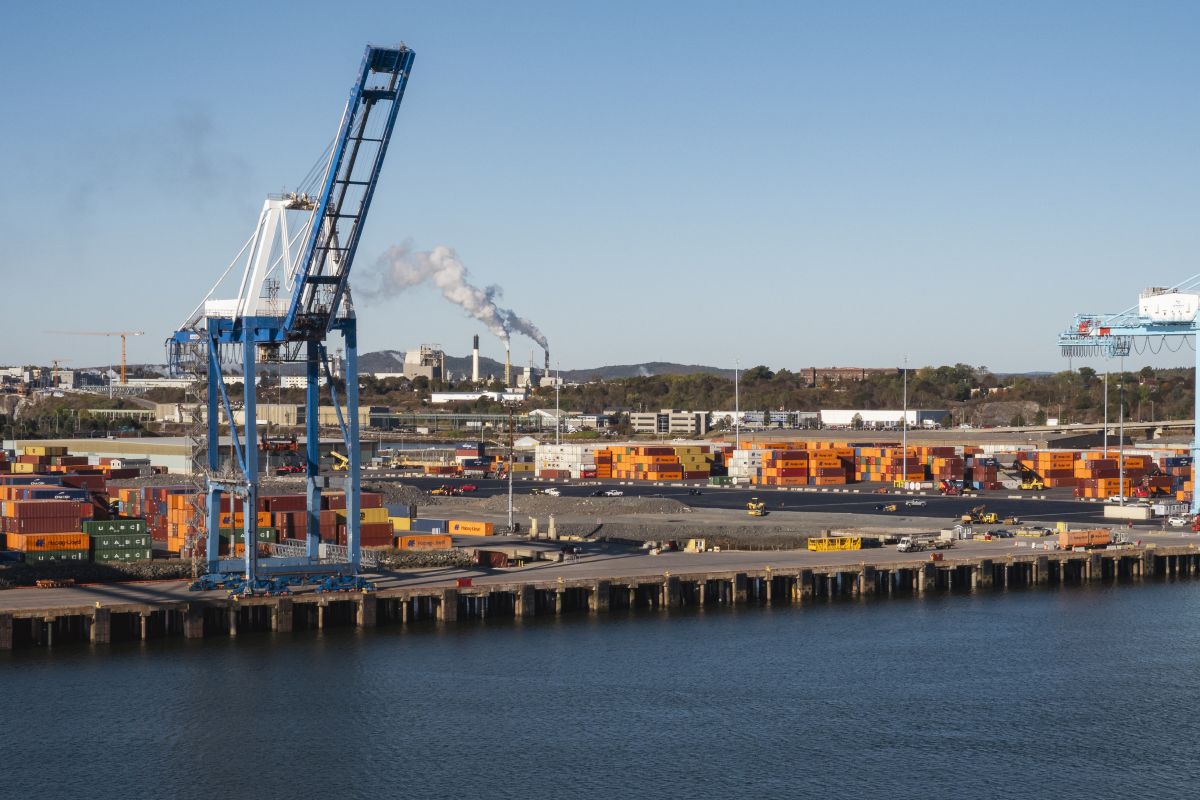
#4 - Port of Halifax

Port of Halifax - Canada's Largest Ports

CREDIT - ID 73101983 | Port Of Halifax © Atgimages | Dreamstime.com

  • Province: Nova Scotia
  • Cargo Volume [1]: 8 million tonnes
  • Containers Handled [10]: 550,000
  • Facilities [8]: 4 terminals

The Great Harbour – The Port of Halifax is a leading Canadian Atlantic port, serving as a critical maritime gateway between North America and international markets across Europe, the eastern U.S., and beyond. With its deep-water harbour and modern terminal facilities, the port handles a diverse mix of cargo, linking Canadian businesses to major transatlantic trade routes and supporting economic growth for Nova Scotia and the Atlantic region. Halifax offers ice-free, deep water shipping access, as well as the shortest sailing time for Canadian shippers to European markets.

#5 - Port of Saint John

Port of Saint Johns - Canada's Largest Ports

CREDIT - ID 409504049 | Port Of © Brian Logan | Dreamstime.com

  • Province: New Brunswick
  • Cargo Volume [1]: 8 million tonnes
  • Containers Handled [10]: 150,000
  • Facilities [8]: Several smaller terminals

Canada’s Historic Port – The Port of Saint John is a key maritime gateway for Atlantic Canada, strategically located in New Brunswick. Handling almost 29 million tonnes of cargo, the port connects Canadian industries to vital international markets. It manages a wide array of goods such as petroleum, potash, and forestry products through its multiple smaller terminals, supporting the export of natural resources and the import of goods essential to Canadian families, businesses, and industries. Saint John’s strategic position enhances Canada’s ability to diversify trade routes and contributes significantly to economic activity in New Brunswick and the Atlantic region as a whole.

The Importance of Canada’s Largest Seaports

As a nation looking to diversify its trade markets, Canada’s seaports are instrumental in helping to connect Canadians to international markets. These ports have a growing role to play in securing Canada’s economic independence and prosperity, as trade challenges with major economies persist.

Supporting Canada’s Export-Based Economy

Canada’s largest seaports serve as the lifeblood of the nation’s export economy, enabling hundreds of billions of dollars in Canadian-made goods to reach global markets each year. As vital trading hubs, these ports connect Canadian businesses, from Prairie farmers to northern miners, to consumers and industries spanning more than 170 countries. By facilitating the efficient movement of exports, Canada’s ports directly support economic growth and prosperity for communities nationwide, also supporting hundreds of thousands of jobs and generating tens of billions of dollars in GDP.

Supplying Canadian Families, Businesses, & Industries

Major seaports are entry points for goods Canadians rely on every day, ensuring families, businesses, and industries have timely access to everything from food and household products to manufacturing components. These ports import an immense volume of goods from abroad, supporting Canadian supply chains and the day-to-day needs of people across the country. As central nodes in the national logistics network, they keep the shelves stocked and Canadian industries productive.

Assisting in Diversifying Trade

Canada’s seaports give producers and exporters access to a wide range of international markets beyond traditional trade partners, especially the United States. By connecting to over 170 nations from the west and more than 140 countries from the east, ports empower Canadian businesses to explore new opportunities and adapt to changing global demand. This diversification strengthens Canada’s economic resilience and positions the country for success in an increasingly interconnected world.

Maximizing the Value of Canadian Resources

The nation’s largest ports enable the export of high-value natural resources—energy, forestry, mining, agriculture, and manufactured goods—by linking the country to key buyers around the globe. With world-class facilities and efficient operations, Canada’s ports help maximize the value of Canadian resources by allowing producers to fetch a higher price for their products on world markets through market diversification.

Expansions at Canada’s Largest Seaports

Metro Vancouver Deltaport terminal - The Deltaport terminal at Metro Vancouver is seeking fast-track approval for a significant expansion that aims to increase container handling capacity and support Canada’s growing Pacific trade. This port expansion will help position Vancouver’s competitive edge as a leading North American gateway for Asian imports and Canadian exports, expediting goods movement across the country [11].

Port of Vancouver dredging - Dredging work at the Port of Vancouver will allow larger Aframax tankers to be fully loaded by the Trans Mountain pipeline, enhancing oil export efficiency and increasing the economic benefits for Canadians. Completion—expected by late 2026 or early 2027—will directly increase shipping capacity for Canadian energy products, further cementing Vancouver’s role as a vital trade hub [12].

Contrecœur Terminal expansion project - The massive Contrecœur Terminal project expansion will add capacity for 1.15 million TEUs (twenty-foot equivalent units) per year, a 60% boost to Montreal’s current container volume, with two new berths, advanced intermodal rail connections, and state-of-the-art handling facilities. Construction preparation began in fall 2025, with completion for various phases expected by 2030 to help serve growing container trade in Quebec, Ontario, and the U.S. Midwest [13].

Port of Churchill expansion - The Port of Churchill has been named as one of Canada’s major nation-building projects by the Major Projects Office, aiming to upgrade its remote deepwater facilities and rail link. These improvements are designed to expand northern trade, increase export opportunities for Prairie resources, and strengthen vital transport and supply for Northern Manitoba and Arctic communities [14].

The World Needs More Canada

banner sticker - pipelines, power lines, ports, railways and roads

As Canada navigates the complexities U.S. tariffs, it has never been more important to expand and diversify our reach into international markets. By tapping the potential of our largest seaports and forging new global relationships, Canada can unlock far-reaching benefits—creating good jobs, opening doors for Canadian businesses, and building prosperity that will last for generations to come. Embracing diversification not only shields our economy from uncertainty, but also ensures Canadian families and communities continue to thrive no matter the economic turmoil that comes our way.

Let’s get to building Canada up through new ports, pipelines, power lines, roads, and railways today, and secure our economic future!

Canada Action - Supporter Banner Oct 2025

SOURCES:

1 - https://tc.canada.ca/en/corporate-services/transparency/corporate-management-reporting/transportation-canada-annual-reports/transportation-canada-2023/marine-network

2 - https://international.canada.ca/en/global-affairs/corporate/reports/chief-economist/state-trade/2024

3 - https://www.elephantsforafrica.org/elephant-facts/

4 - https://acpa-aapc.ca/our-impact/economy/

5 - https://www.portvancouver.com/article/port-vancouver-moves-record-trade-2024-supporting-canada-and-canadians

6 – https://www.port-montreal.com/en/the-port-of-montreal/about-the-port/at-a-glance/statistics

7 - https://www.rupertport.com/terminals/

8 - https://www.porthalifax.ca/facilities/

9 - https://www.portsi.com/port/terminals/?lang=en

10 - https://www.visualcapitalist.com/sp/tc01-mapped-canadas-busiest-ports/

11 - https://www.ctvnews.ca/vancouver/article/bc-port-expansion-seeks-fast-track-by-canadas-new-major-projects-office/

12 -  https://www.theglobeandmail.com/business/article-trans-mountain-port-oil-shipping-vancouver/

13 - www.port-montreal.com/en/the-port-of-montreal/projects/terminal-in-contrecoeur

14 -  https://www.canada.ca/en/privy-council/major-projects-office/projects/other.html#1