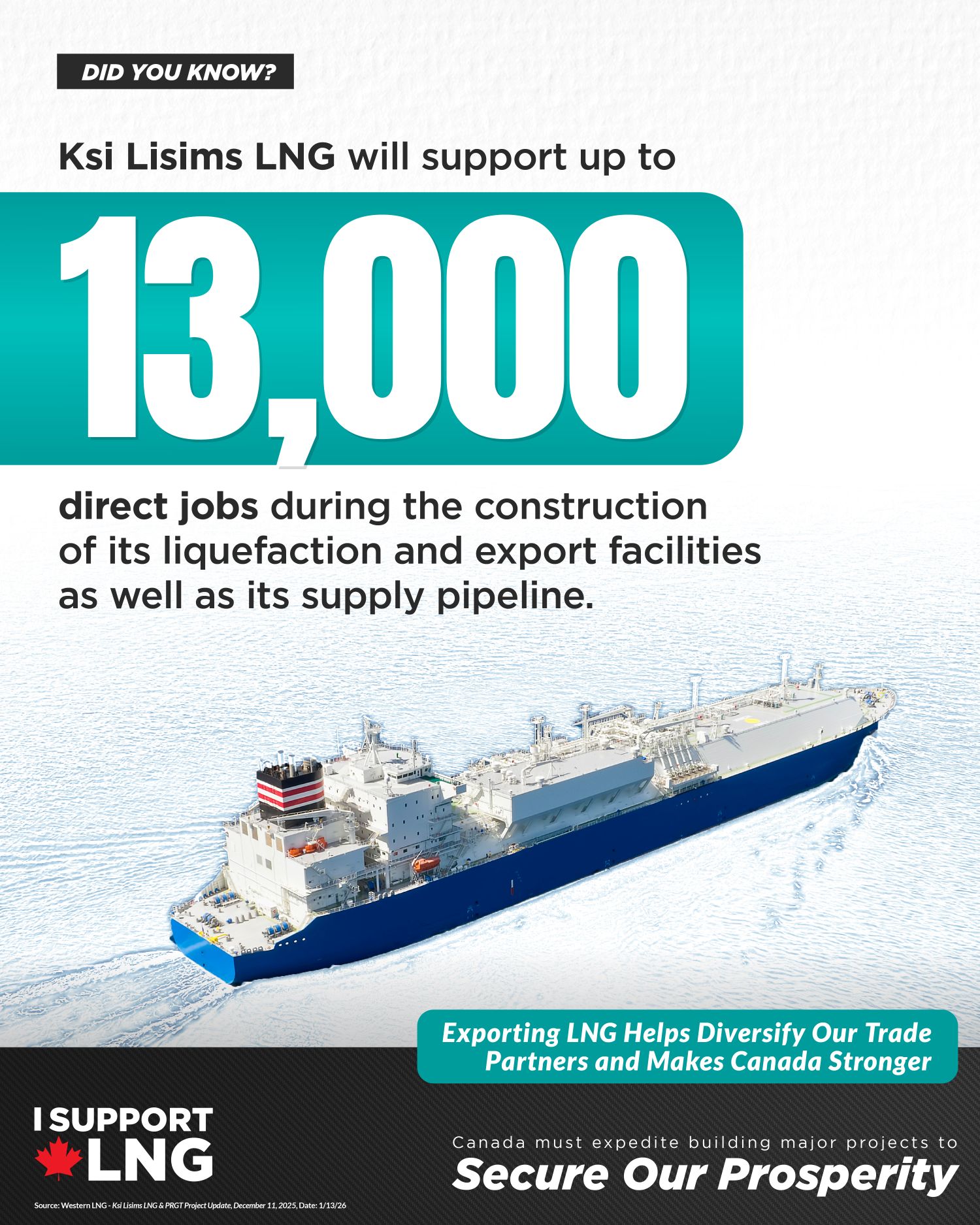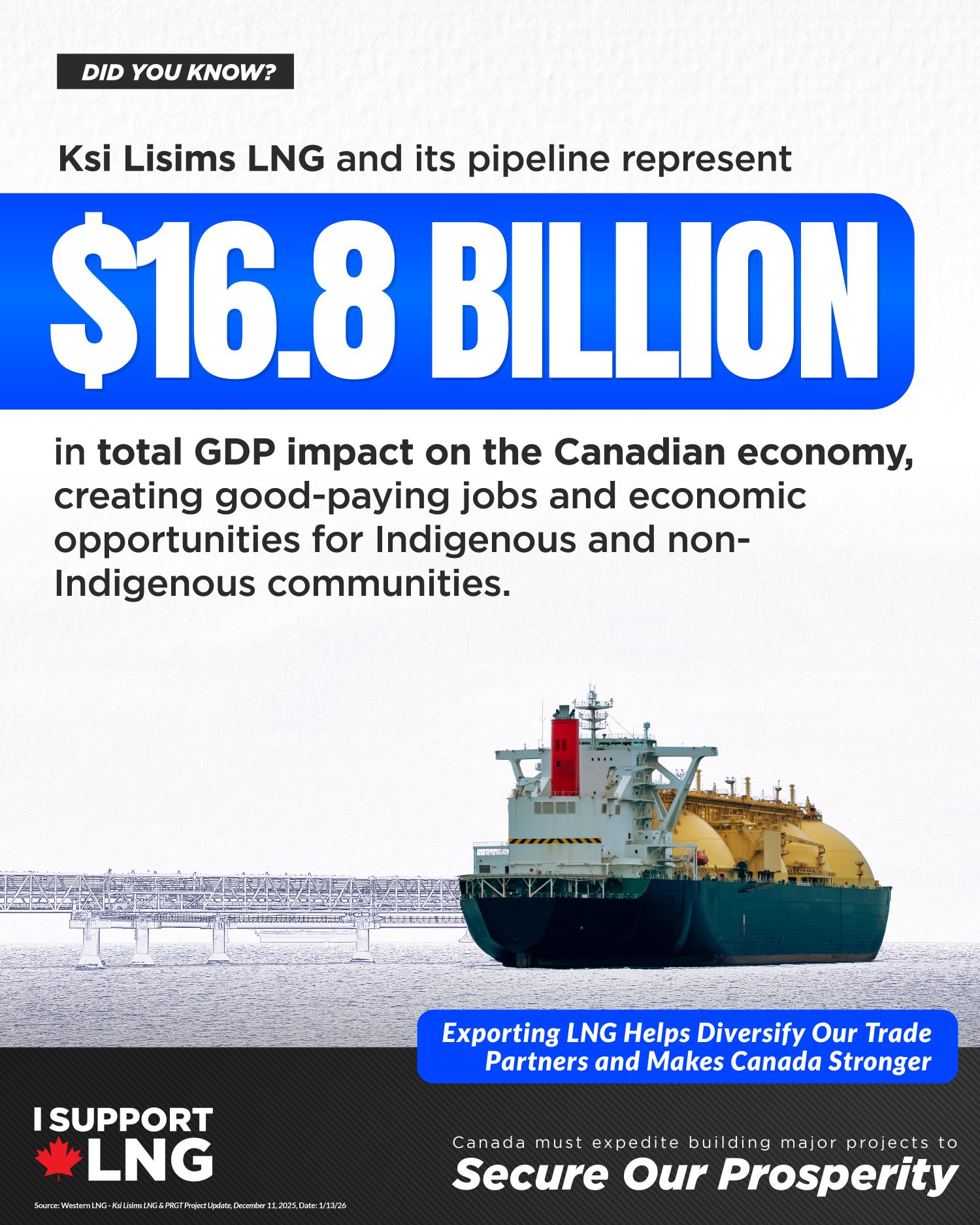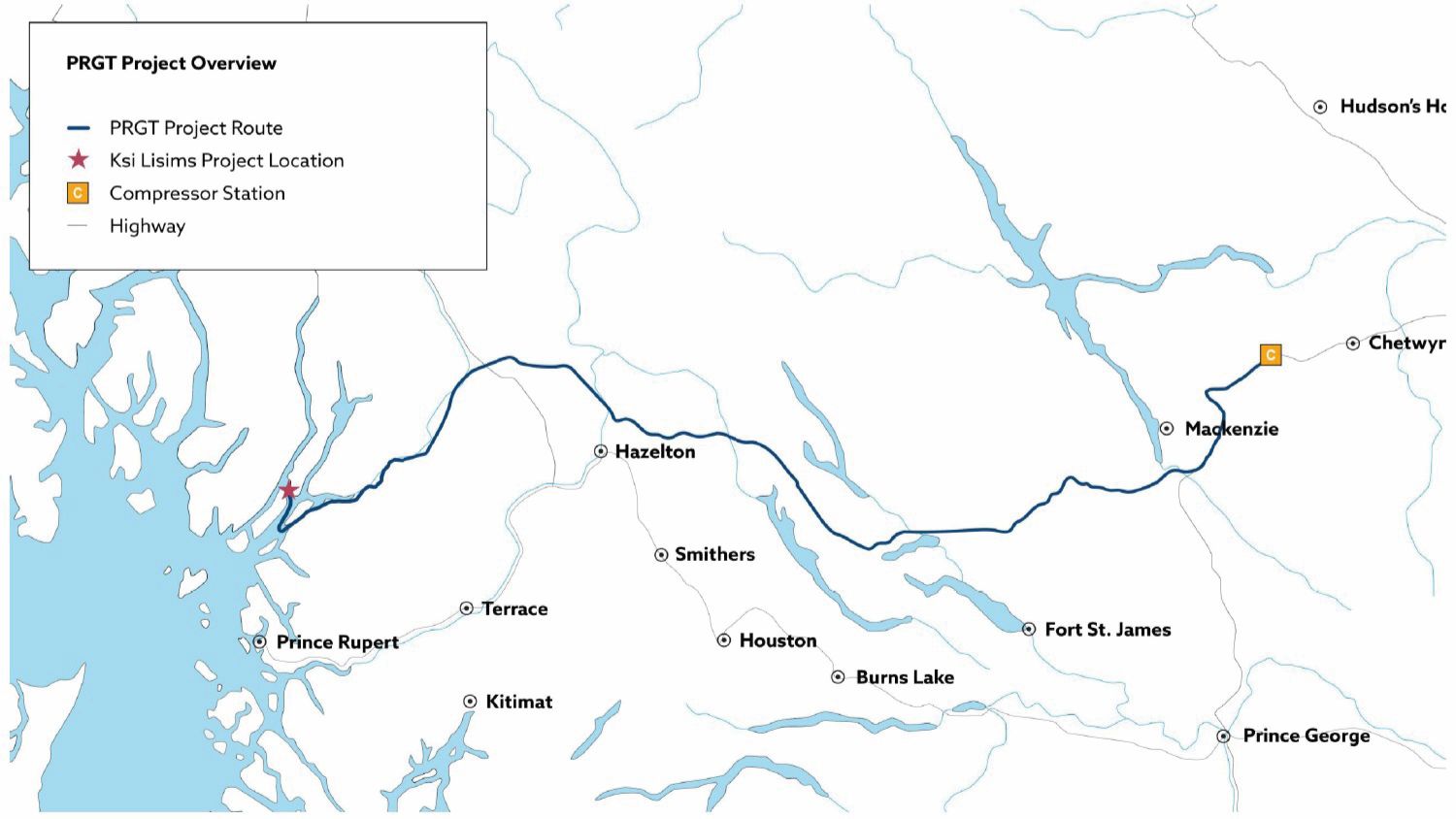
Just how important will Ksi Lisims LNG – and its associated Prince Rupert Gas Transmission (PRGT) pipeline (name change coming soon) – be to the economy of northwestern British Columbia? At a time when Canada’s economy is facing significant challenges, this project represents an irreplaceable investment that will create good jobs and much-needed economic activity for our country.
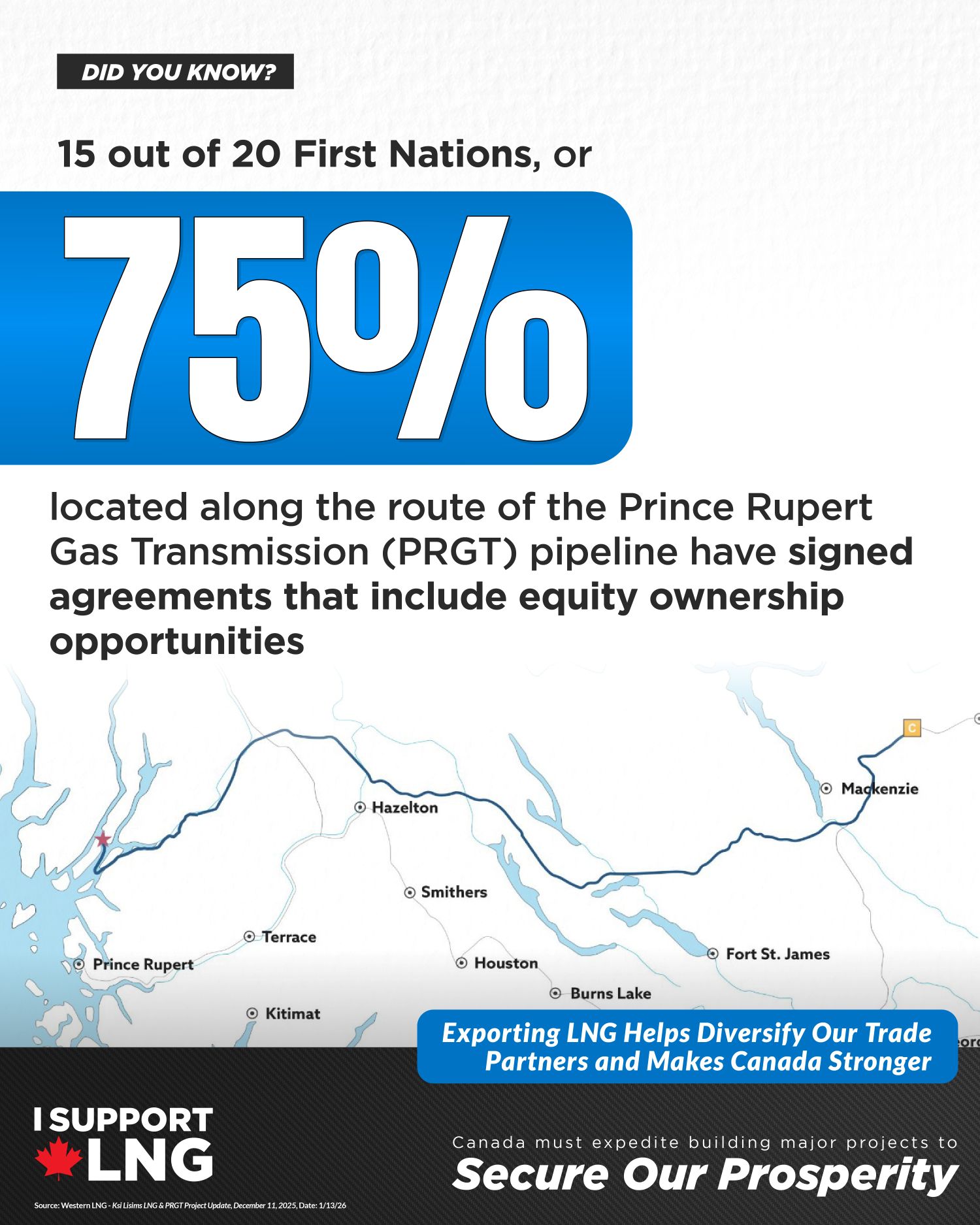
Proponents outlined the project's expected economic impact in full during a December presentation last year, underscoring its critical importance to B.C. and Canada. They noted crucial facts, such as that 15 of 20 First Nations – or 75% – along the pipeline’s route have since signed agreements that include equity ownership opportunities.
Indigenous support for PRGT follows the model pioneered by Coastal GasLink, where 17 First Nations secured a 10% equity stake in the project, creating a new pathway to long-term prosperity, own-source revenues, and economic self-determination for these communities. As with Coastal GasLink and LNG Canada, PRGT and Ksi Lisims LNG are about much more than just infrastructure. They represent economic reconciliation, well-paying jobs, and long-term benefits that can support rural Indigenous and non-Indigenous communities for decades.
Below, we examine the presentation highlights shared by the proponents, along with the economic benefits during construction and throughout the project’s 30-year lifecycle.