Key Takeaways
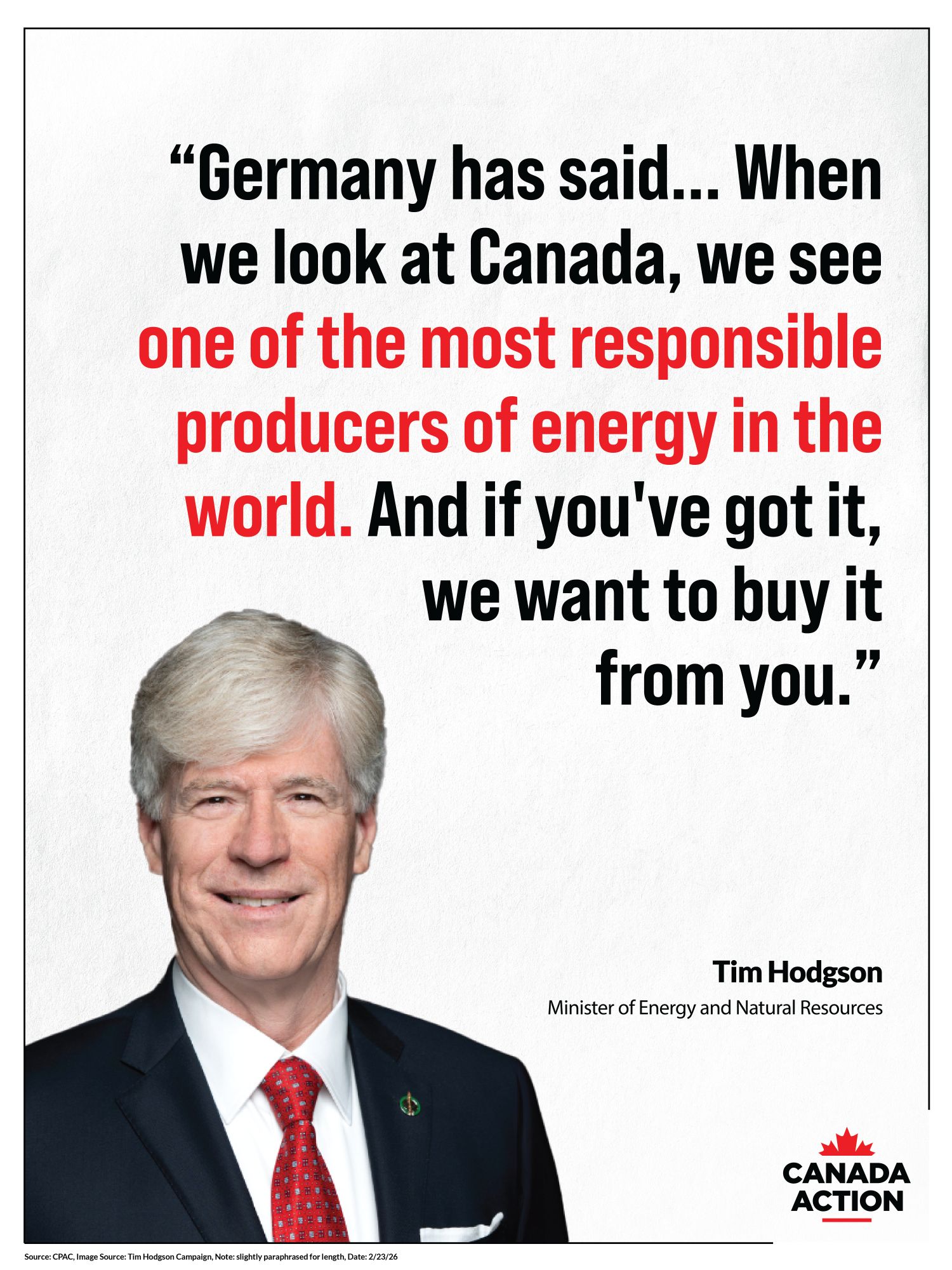
- Tim Hodgson, Minister of Energy and Natural Resources, says that China and India want more Canadian oil and liquefied natural gas (LNG), and it makes sense to send more of our energy directly from the West Coast of Canada – not as re-exports through the U.S. Gulf
- The Trans Mountain Expansion has opened up new global markets for Canada, supporting trade diversification and a stronger, more resilient economy
- Expanding oil and natural gas exports would create much-needed jobs while generating vital tax revenues Canadians need to pay for social programs
- With buyers actively seeking Canadian energy, policymakers must accelerate infrastructure approvals to convert global interest into long-term economic prosperity
--------------------------------------
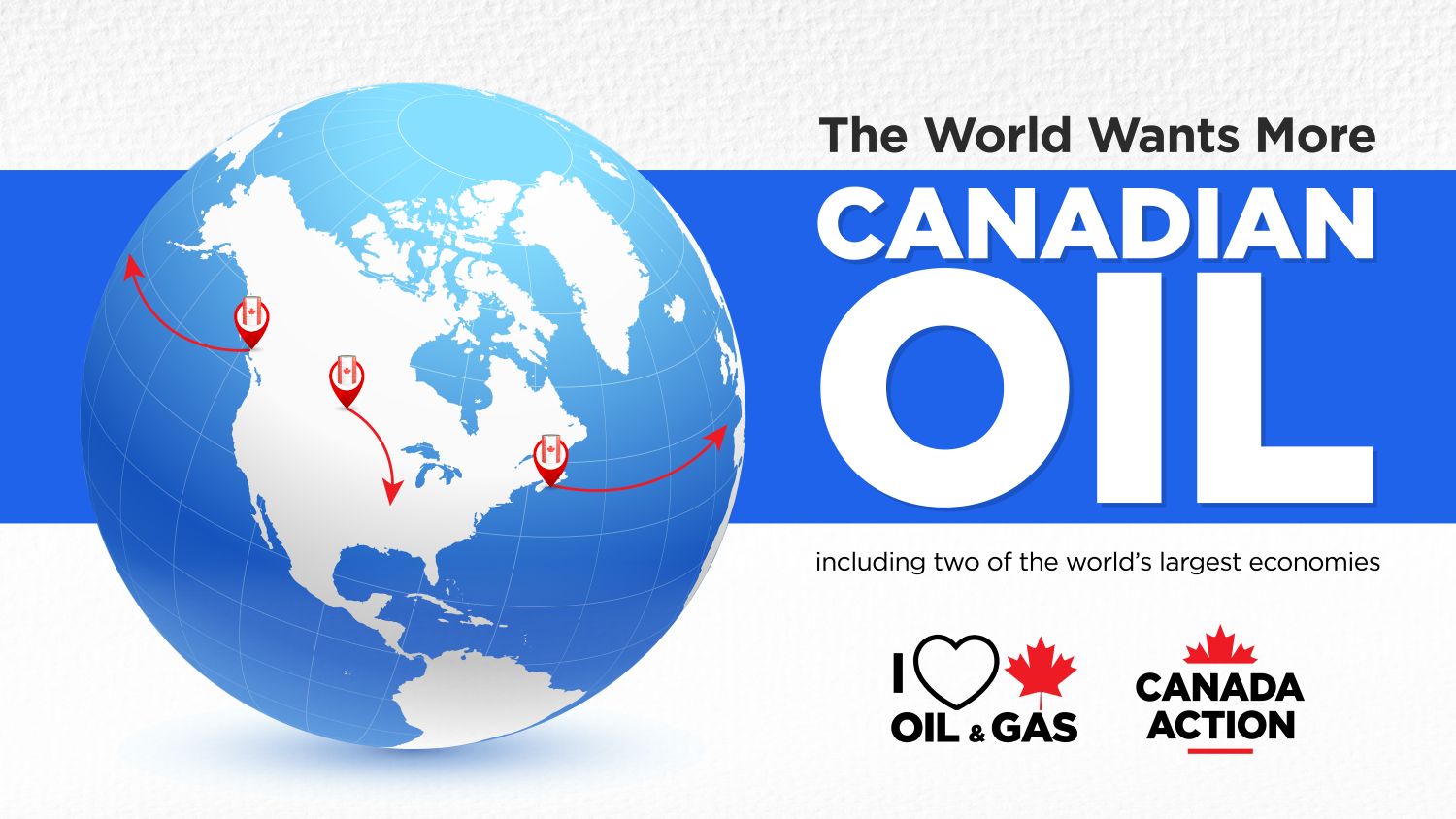
Minister Hodgson says that both India and China are currently buying Canadian oil off the West Coast and through the Gulf Coast, and that they would like to buy more.
— Canada Action (@CanadaAction) February 23, 2026
Let's take concrete actions today to ensure that the energy infrastructure we need tomorrow to expand our export… pic.twitter.com/9c2FyRSpMc
Minister Hodgson delivered a loud and clear message in Calgary this February: the world is hungry for Canadian energy.
Two of the largest, fastest-growing global economies are actively seeking more of our oil and gas. Stepping up to supply them with the energy they need could create thousands of jobs, drive government revenues, and build a stronger, more resilient Canadian economy.
“It was very interesting when we were speaking with the President of China,” said Hodgson.
“He said to us, China is an energy superpower. It's in coal. We don't want to burn coal…. We are going to do everything we can to go to renewables. And they are doing amazing things in renewables, and they are going to use LNG as a major transition fuel.”