Oil & Gas in Alberta: 25 Facts, History & More!

Oil & Gas in Alberta: 25 Facts, History & More!

Key Takeaways:

Canada's Energy Engine: Alberta accounts for over 90% of Canada's oil production and approximately 60% of its natural gas production, making the province the undisputed heart of the nation's energy sector.

Record Production: In 2024, Alberta's total oil and gas production averaged approximately 6.7 million barrels of oil equivalent per day (MMBOE/d) – up over 50% from 2010 levels and a new all-time record.

Enormous Economic Impact: Alberta's oil and gas industry contributed roughly $88 billion to the province's GDP in 2024, accounting for 25% of total economic output, while supporting over 500,000 direct and indirect jobs.
---------------------

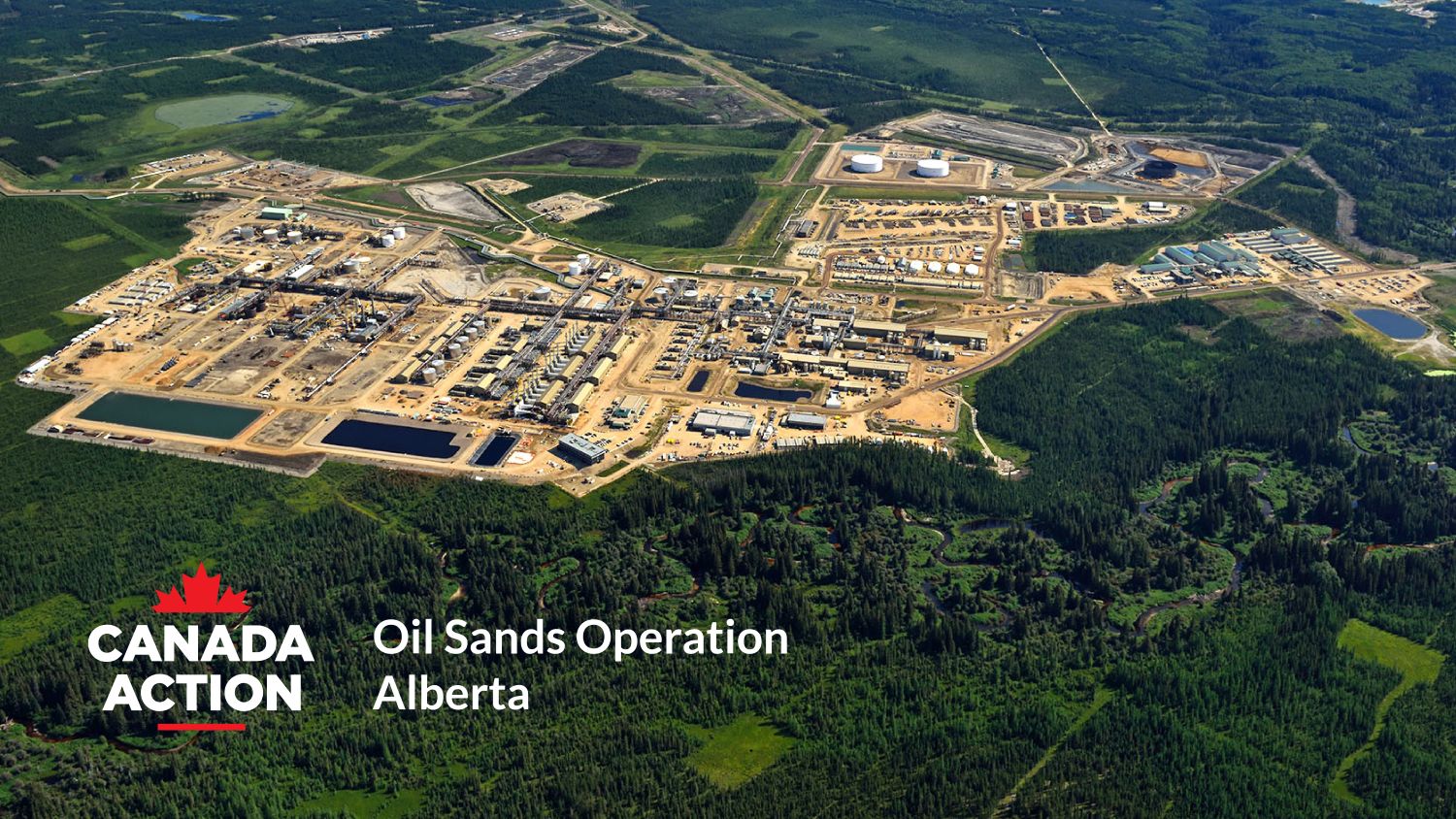
Oil and Gas in Alberta facts history statistics and more cover

---------------------

Alberta is well known as the energy powerhouse of Canada – it has been for decades – and today, the province's oil and gas sector is bigger, more productive, and more important than at any point in its history. From the rolling oil sands of Fort McMurray to the natural gas fields of the Montney and Duvernay formations, Alberta sits atop one of the most significant hydrocarbon resource bases anywhere on earth.

With proven oil reserves ranking fourth in the world, record production, billions in annual royalty revenues, and a world-class corporate hub in Calgary, Alberta's oil and gas industry is more than just a provincial story – it is a Canadian one.

Below, we explore 15 facts about Alberta's oil and natural gas sector that you may or may not know. Also see:

25 Alberta Oil & Natural Gas Facts

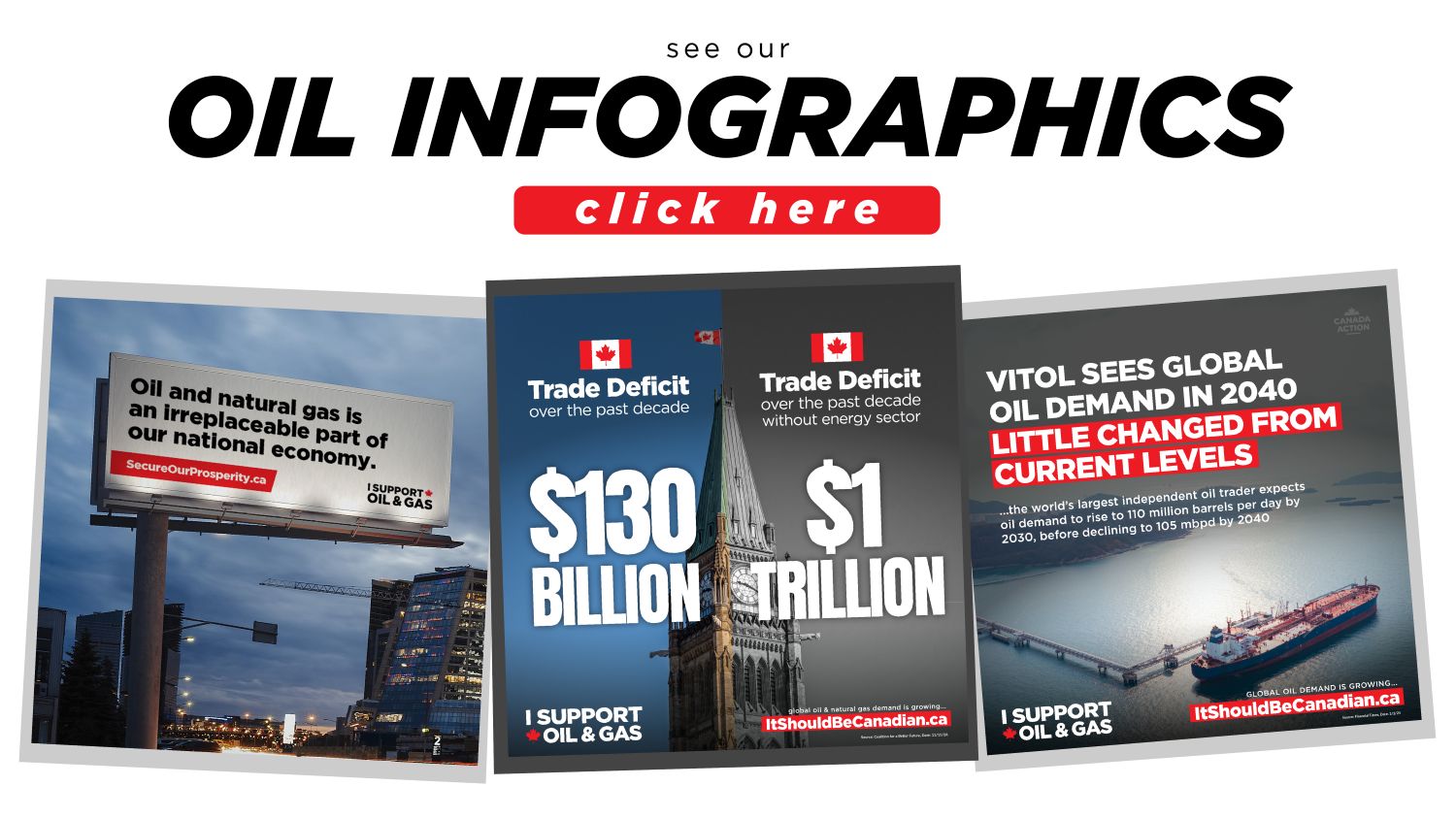
Oil infographics banner

#1 – Alberta's oil sands contain approximately 167 billion barrels of proven oil reserves (95% of the national total), ranking Canada fourth in the world for proven reserves – behind only Venezuela, Saudi Arabia, and Iran [1][6]

#2 – About 20% of Alberta’s oil sands are extractable via surface mining, while the remaining 80% are too deep and require in-situ techniques for recovery like Steam Assisted Gravity Drainage (SAGD) [4]

#3 – Alberta’s oil and gas industry supported 500,000 direct and indirect jobs as of 2024 [1]

#4 – Alberta’s total oil and natural gas production averaged 6.7 million barrels of oil equivalent per day (MMBOE/d), equivalent to 75% of Canada’s total production on a barrels of oil equivalent (BOE) basis [1]

#5 – Alberta’s seven oil sands mining operations produced more than 1.77 million bpd as of 2024, up 3.7x from 1998 levels [4]

#6 – Alberta’s in-situ bitumen production averaged approximately 1.9 million bpd as of 2024, up 5.4x from 1998 levels [4]

#7 – Alberta’s oil sands have a very low decline rate of about 4% annually – significantly lower than elsewhere in the world; first-year decline rates for some unconventional oil plays in the U.S. are greater than 40%, for example [4]

#8 – As of 2024, more than 90% of Canada’s oil was produced by Alberta [1]

#9 – Alberta’s oil production reached record levels in 2025, averaging 4.1 million barrels per day (bpd) – of which approximately 84% was from the oil sands [2]

#10 – Total revenue from oil and gas production in Alberta was $153 billion in 2024, with oil sands ($105 billion) accounting for the lion’s share [1]

#11 – In the fiscal year of 2024-2025, oil sands royalties of $17 billion were the single largest source of revenue for the Alberta government and 4x larger than conventional oil and gas royalties combined [4]

#12 – For context, oil sands royalties were equivalent to 67% of Alberta’s $26 billion healthcare operating expense budget during the 2024-2025 fiscal year [4]

#13 – Between 1974 and 2024, Alberta’s oil and gas sector has paid more than $315 billion in royalties to governments – showing the industry’s critical role in helping to pay for public social programs, services, and infrastructure [1]

#14 – Alberta is the largest oil and gas exporter, with 4.7 MMBOE/d in 2024, equating to $133 billion in exports and representing more than 70% of the province’s total exports that year [1]

#15 – Alberta's oil and gas industry is the largest contributor to provincial gross domestic product (GDP), contributing $88 billion in 2024 – equivalent to 25% of Alberta's total economic output that year [1]

#16 – Between 1950 and 2024, Alberta’s total oil and gas production grew by an average of 6% per year [1]

#17 – Between 2000 and 2024, Alberta’s hydrocarbon revenue has grown by an average of 9% per year [1]

#18 – Alberta’s share of Canadian natural gas production has decreased from 80% in 2000 to 60% in 2024 – resulting from rapid growth in B.C. shale gas drilling and development [1]

#19 – Approximately 1,110 square kilometres (km2) of Northern Alberta’s oil sands deposits are currently undergoing surface mining operations, equating to a mere 0,8% of the total oil sands surface area [1]

#20 – The Alberta government wants to grow its provincial Heritage Fund to at least $250 billion by 2050, with oil and gas revenues being critical to achieving this goal [1]

#21 – Over the past 25 years, Alberta’s oil sands reached more than $1 trillion in cumulative spending injected into the Canadian economy, supporting good jobs, businesses and careers, and economic opportunity at large [3]

#22 – Alberta has a long-term goal of seeing total oil output double to 8 million bpd by 2035, helping to drive continued economic strength, opportunity, and prosperity for generations of Canadians to come [5]

#23 – A 2025 report found that Alberta has proven natural gas reserves of 130 trillion cubic feet (TCF), much higher than a previous provincial estimate of 24 TCF – placing Canada within the top 10 reserve holders [6]

#24 – Alberta is home to several prospective oil and gas development areas, like the Muskwa Formation which could hold even more recoverable reserves [7]

#25 – Natural gas plays a critical role in Alberta’s energy security, accounting for more than 60% of provincial power generation as of 2021 [8]

History of Oil & Gas in Alberta

banner sticker - pipelines, power lines, ports, railways and roads

Alberta's oil and gas story spans more than three centuries [9] – from Indigenous knowledge of natural bitumen seeps to record-breaking production in the modern era.

1715 – Cree Chief Swan provides the first known written reference to Alberta's oil sands, describing a river where "gum or pitch" seeped from its banks to early European fur traders.

1788 – Explorer Alexander Mackenzie documents vast bituminous seeps along the Athabasca River, noting that a six-metre pole could be inserted into the riverbanks "without the least resistance."

1883 – A Canadian Pacific Railway crew drilling for water near Medicine Hat accidentally strikes natural gas – Alberta's first recorded energy discovery.

1914 – The Turner Valley discovery marks Alberta's first major commercial oil and gas find, and the field goes on to produce for over 70 years.

1930 – The Natural Resources Transfer Agreement transfers ownership of Alberta's mineral rights from the federal Crown to the province – a landmark decision that has since generated hundreds of billions of dollars in royalties directly for Albertans.

1947 – On February 13, oil is found at Leduc No. 1 near Devon, Alberta – after drilling more than a hundred consecutive dry holes across Western Canada. The discovery unlocks Alberta's Devonian reef geological formations, triggers a national oil boom, and permanently transforms Alberta's economy.

1967 – The company Great Canadian Oil Sands launches the world's first large-scale commercial oil sands operation near Fort McMurray, initially producing approximately 2,500 barrels per day.

1973 – Alberta establishes the Alberta Energy Company (AEC) and begins construction of the Syncrude oil sands project – Canada's largest oil sands mining operation at the time, underscoring the province's long-term commitment to unlocking its bitumen resources.

1974 – Dr. Roger Butler of the Alberta Oil Sands Technology and Research Authority (AOSTRA) develops Steam-Assisted Gravity Drainage (SAGD) technology – a groundbreaking in-situ extraction method that allows bitumen to be produced through wells without surface mining.

2003 – The United States Geological Survey officially recognizes Alberta's oil sands as proven reserves, vaulting Canada into the top three countries globally for proven oil reserves virtually overnight.

2024 – Alberta sets a new all-time record for crude oil production, averaging over 4.6 million barrels per day – driven by continued oil sands growth and marking the industry's most productive year in history.

2024 – The Trans Mountain Expansion begins operations, opening a new Pacific coast export corridor and connecting Alberta's oil to Asian markets for the first time at a meaningful scale.

Alberta's Oil & Gas Prosperity

The World Needs More Canada - Banner Snip

Alberta's oil and gas sector has powered the province’s economy – and Canada – for more than 75 years. With the world's fourth-largest proven oil reserves, record production, a globally significant natural gas industry, and a world-class corporate hub in Calgary, this isn't just a Canadian energy story, but a global one.

As demand for reliable, affordable conventional energy continues, Alberta's oil and gas sector will remain one of the most important industries on earth – creating jobs, generating royalty revenues, and fueling the Canadian economy for generations to come.

Learn more about Alberta's energy and natural resource sectors by joining us today!

SOURCES:

1 - https://www.capp.ca/wp-content/uploads/2025/09/Alberta-Oil-Gas-101-September-16-2025.pdf

2 - https://calgaryherald.com/opinion/columnists/varcoe-oilsands-giants-smash-records-climb-list-world-biggest-producers

3 - https://www.canadaaction.ca/oilsands-one-trillion-spending-canadian-economy-milestone

4 - https://www.capp.ca/wp-content/uploads/2025/11/The-Oil-Sands-October-17-2025.pdf

5 - https://calgaryherald.com/feature/energy-sector-long-term-anchor-calgary-economy

6 - https://energynow.ca/2025/03/alberta-has-nearly-six-times-the-natural-gas-it-thought-putting-canada-among-worlds-top-10/

7 - https://natural-resources.canada.ca/energy-sources/fossil-fuels/alberta-s-shale-tight-resources

8 - https://www.cer-rec.gc.ca/en/data-analysis/energy-markets/province-territory-energy-profiles/alberta.html

9 - https://www.alberta.ca/energy-in-alberta-timeline