Leaving 'No' to Resources Behind: Canada’s Path to Prosperity Starts Now

Leaving 'No' to Resources Behind: Canada’s Path to Prosperity Starts Now

Leaving 'No' Behind, Canada’s Path to Prosperity Starts Now

Canada is a land of opportunity, blessed with an abundance of natural resources that fuel our economy, support millions of jobs, and position us as a global leader for a diverse range of essential commodity exports. Yet, for too long, we’ve said “no” to the very projects that could secure our prosperity for generations.

In recent weeks and months, anti-development activists have recalibrated their efforts to push back against nation-building initiatives, particularly Bill C-5, the Building Canada Act, meant to streamline the approval process for major infrastructure projects deemed to be in the national interest. They’ve also stepped up their opposition to emerging B.C. LNG projects, like the Indigenous-led Ksi Lisims LNG facility and Prince Rupert Gas Transmission (PRGT) Line in the province’s north.

Sadly, this “no-to-everything” attitude is nothing new.
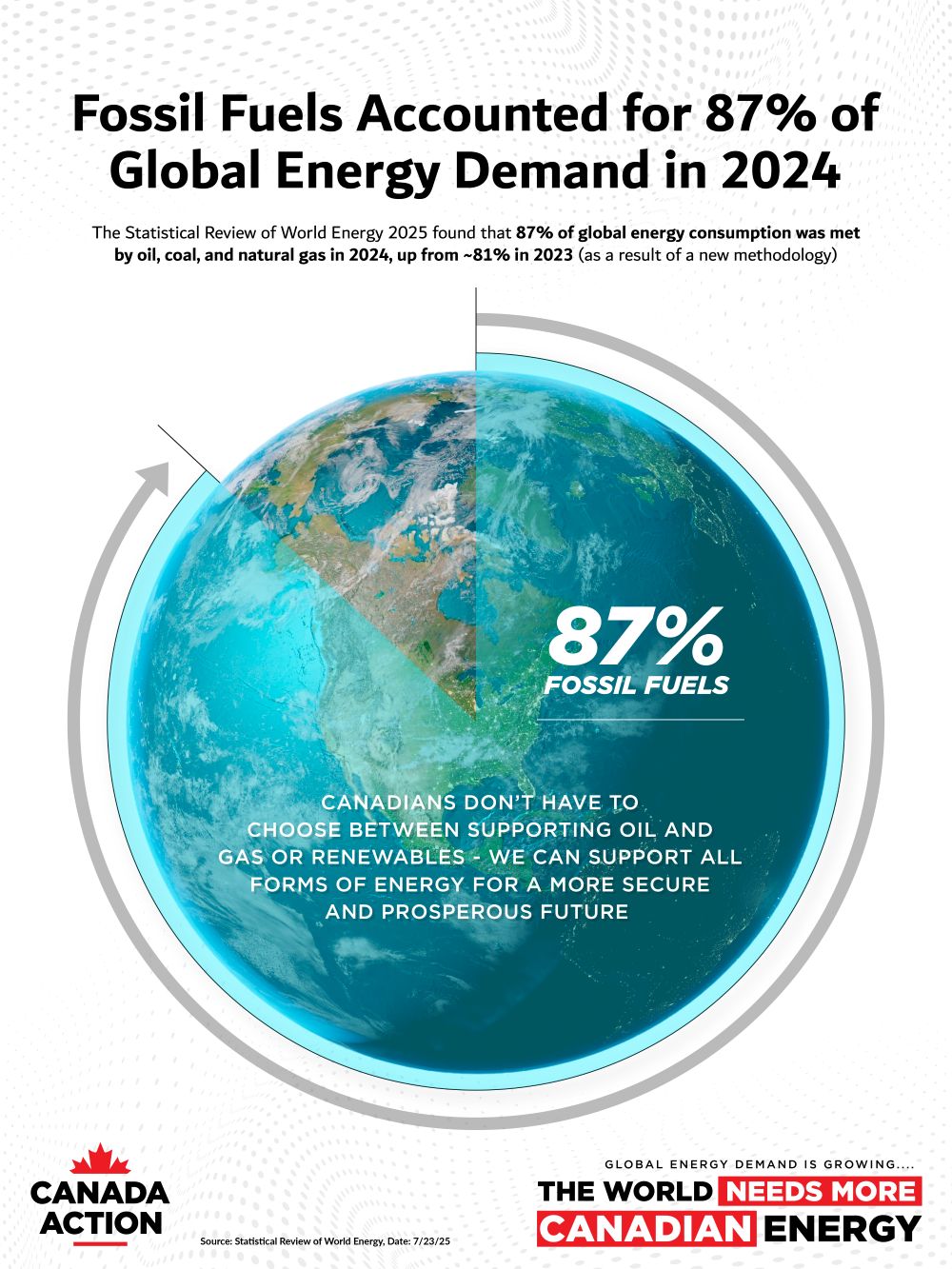
Fossil fuels accounted for 87 per cent of global energy demand in 2024

These non-governmental organizations (NGOs) oppose almost any and all resource development. Whether it be mining in Ontario, forestry in British Columbia, or energy infrastructure in Quebec, their opposition is broad and unwavering. Beyond wind farms and solar installations, it’s hard to pinpoint what they support. Not even the recently completed Site C Dam was exempt from NGOs’ attempts to obstruct and delay, a hydro project with enough capacity to power about 450,000 Canadian homes.

So, here’s the question we must ask: as an export-driven economy reliant on natural resources for over one-fifth of our GDP, three million jobs, 50 per cent of our exports, and 45 per cent of our manufacturing output, what are Canadians left with if we shutter energy, forestry, mining, and agriculture development?

The past decade tells a sobering story.

With some shining exceptions that got built after considerable delay, cost overruns and disinformation campaigns—Coastal GasLink, LNG Canada, and the Trans Mountain Pipeline Expansion, which have now provided significant, tangible economic outcomes for Canadians thus far—our country has largely turned away from building large resource and trade infrastructure. While opponents continue to say “no” to these economy-boosting projects, regulatory policies like Bill C-69 and the oil and gas emissions cap haven’t helped; they’ve created roadblocks, stifling capital investment and shaking investor confidence.

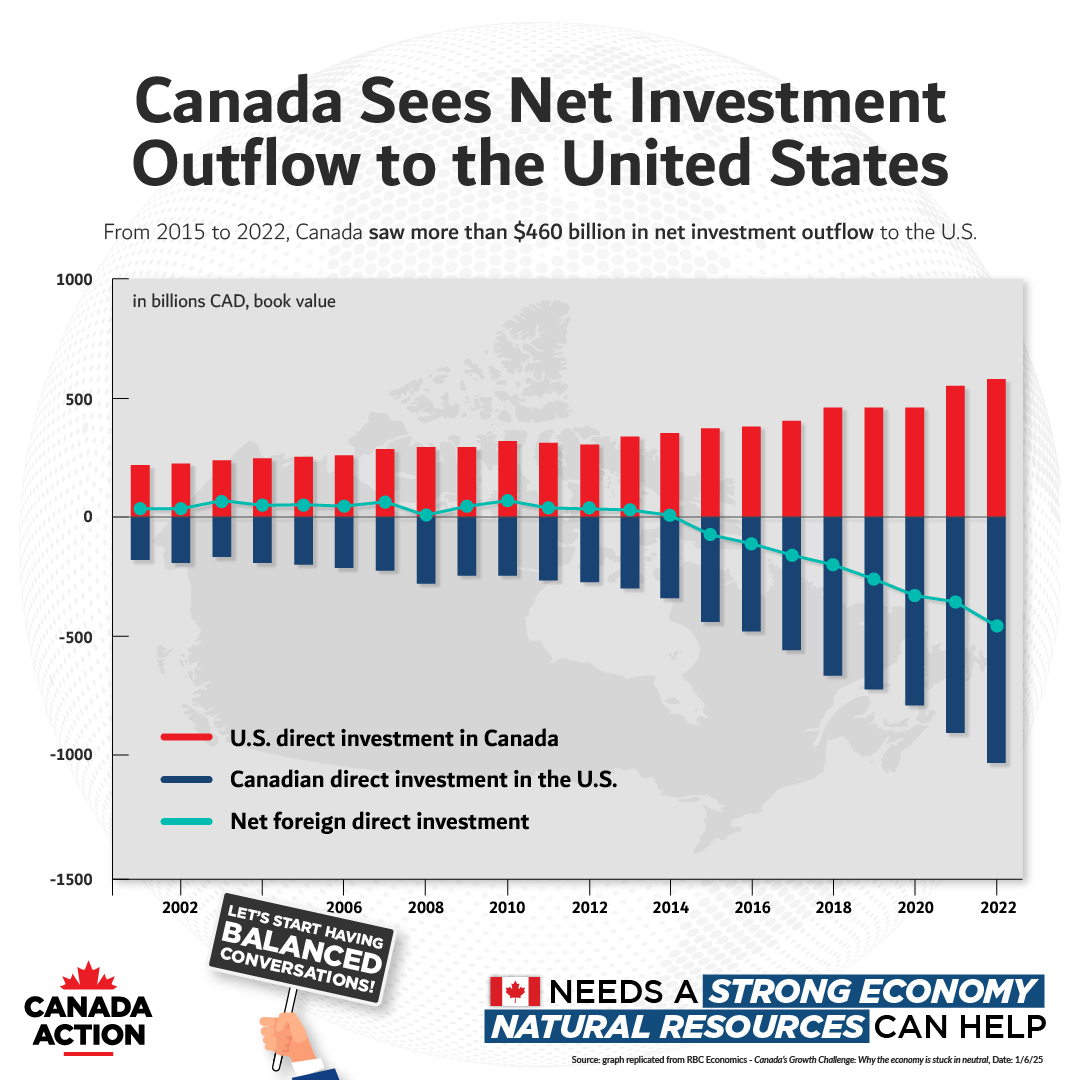
Canada Sees Net Investment Outflow to the United States - 2015-2022

The numbers don’t lie. Since 2015, Canada has seen significant amounts of capital investment flee our country to other jurisdictions with more friendly regulatory environments. There may be no greater example of this than the ~$460 billion of net investment outflow to the United States between 2015 and 2022 [1]. Canada has also seen a staggering $670 billion in cancelled energy, forestry, and mining projects over roughly the same period. For comparison, our federal national debt is approaching $1.3 trillion, about half of the direct capital investment represented by these lost projects. These aren’t just numbers; they represent a decade of lost growth, jobs, and opportunity. To add, we also have a stagnating economy, alarmingly low productivity levels, horrendous per capita growth, and now, significant challenges with our largest export market and trading partner.

We’ve essentially already tried the “no to everything” approach that anti-resource opponents would have us do, and where has it gotten us?

If history is any lesson of the future, we should take heed of pandering to the demands of the “no-to-everything” crowd. If we continue down the path of rejecting job-creating, prosperity-generating projects—as activists who oppose nearly every form of resource development would have us do—Canadians will be left with even fewer opportunities, a reduced standard of living, and a significantly dimmer future.

It’s time for a change.

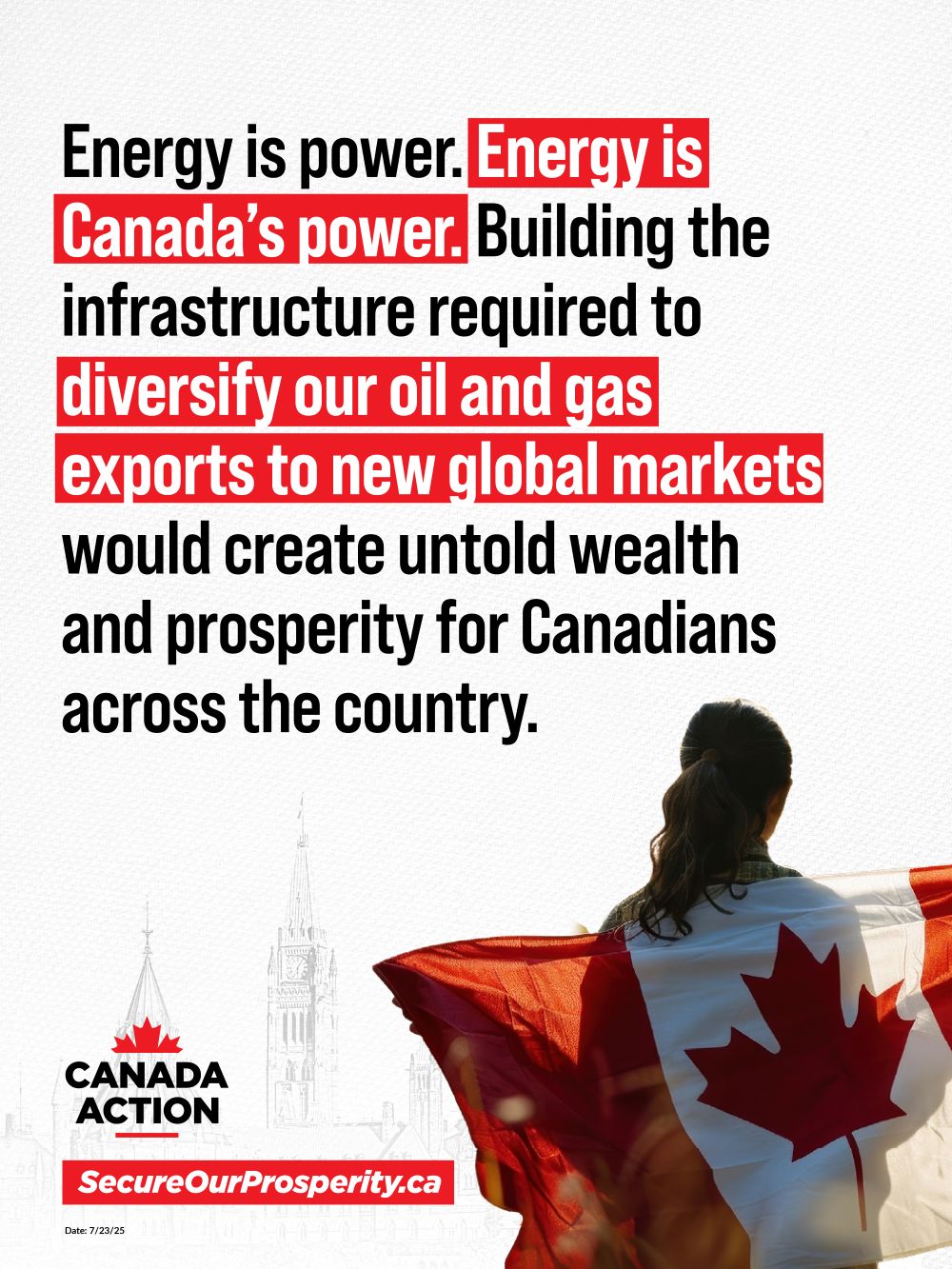
Energy is power. Energy is Canada's power.

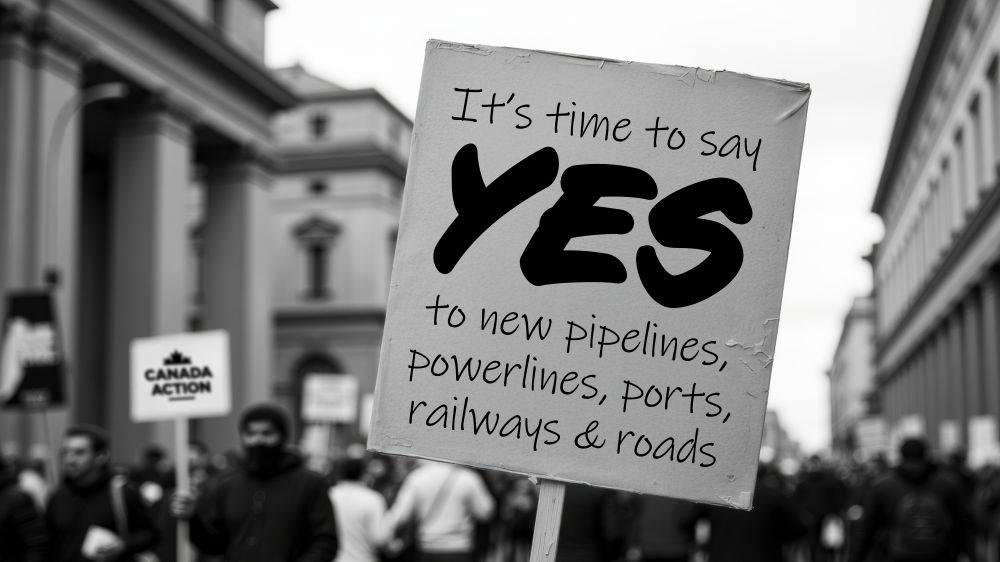
We need to return to having balanced, pragmatic, and honest discussions about our economic future and start saying “yes” to resource development. That time is now, and it begins with expediting new trade infrastructure like pipelines, powerlines, ports, railways, and roads, projects that will help diversify our markets, maximize the value of our resources, and provide Canadians with the economic opportunities we so desperately need.

There is some hope on the horizon. Our federal government has seemingly corrected course on resource development as it looks to expedite “nation-building” projects deemed to be in the national interest, through Bill C-5. According to our leaders, those include a broad spectrum of projects ranging from offshore wind farms, critical mineral mines, nuclear power stations, and port-to-port corridors that would include rail, roads, power lines and pipelines, helping to deliver Canadian-made resource products to tidewater for export to Asian and European markets.

But time is ticking. And our competitors, like the Americans, aren’t waiting for anybody.

The U.S. just announced a combined $1.3 trillion in trade deals with the European Union and Japan, much of which has to do with the pursuit of new energy, food, and mineral supply sources.

These are all resources Canadians have in abundance here at home.

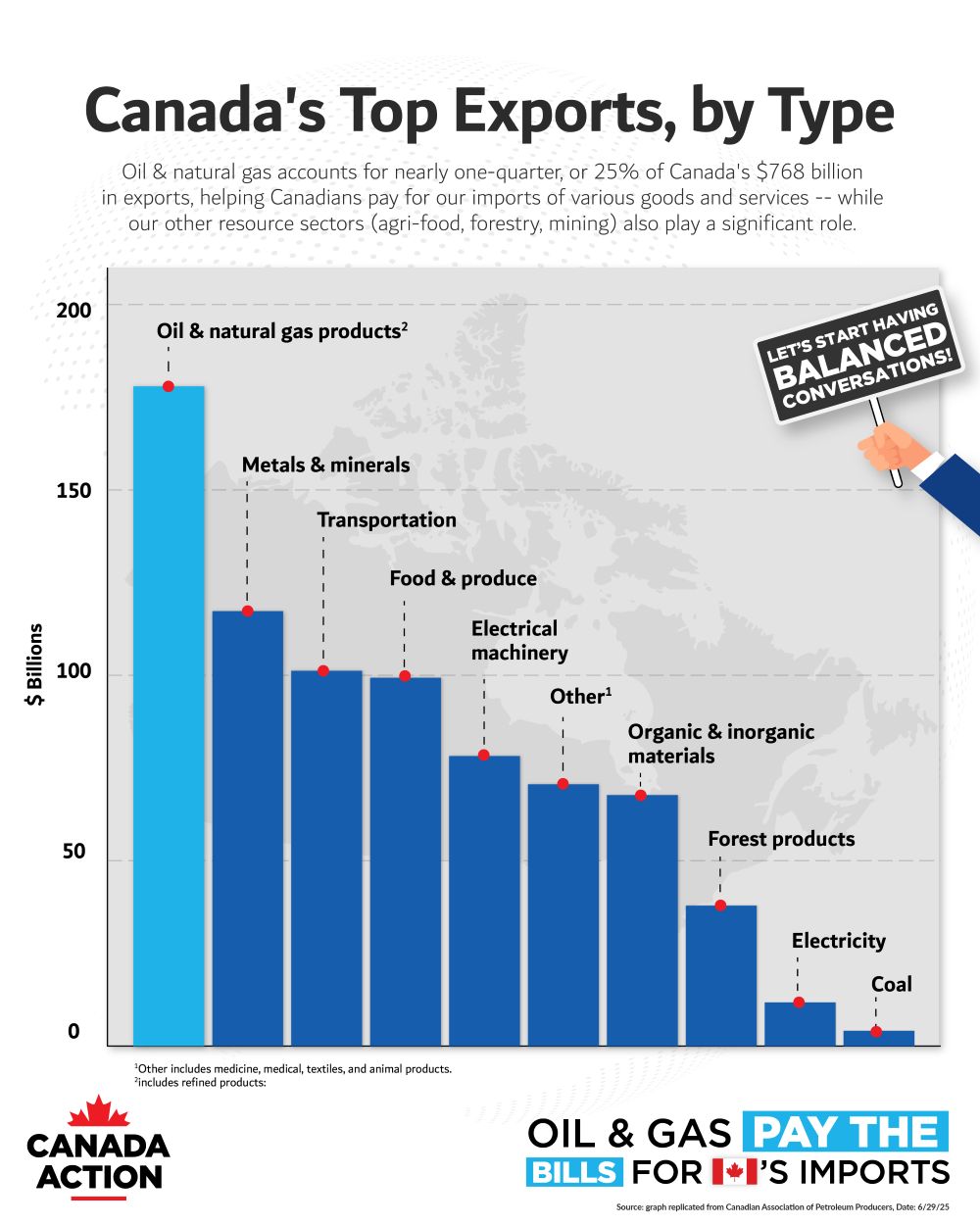
Canada's top exports by type - natural resources pay the bills for Canadians

If Canada is to put our money where our mouth is, we better get going on these nation-building projects sooner rather than later. We will not be able to build a better future for our families without doing so.

It’s time to leave the “no-to-everything” mindset in the past where it belongs. For too long, this approach has held us back, costing Canadians jobs, prosperity, and our rightful place on the global stage. Saying “no” at every turn—whether to pipelines, mines, logging, or critical infrastructure—has only led to missed opportunities and a weaker economy. We can’t afford to linger in this rut any longer.

Instead, let’s embrace a future where “yes” becomes our rallying cry.

Yes, to resource development that fuels growth.

Yes, to unifying nation-building projects that connect our products to the world.

Yes, to opportunities for all Canadians, from coast to coast.

The clock is ticking, and our competitors aren’t standing still. Let’s act now, build quickly without compromising our standards, and secure the brighter, more prosperous Canada we know is within reach.